Glucoamylase for Distilling and Grain Mash Conversion
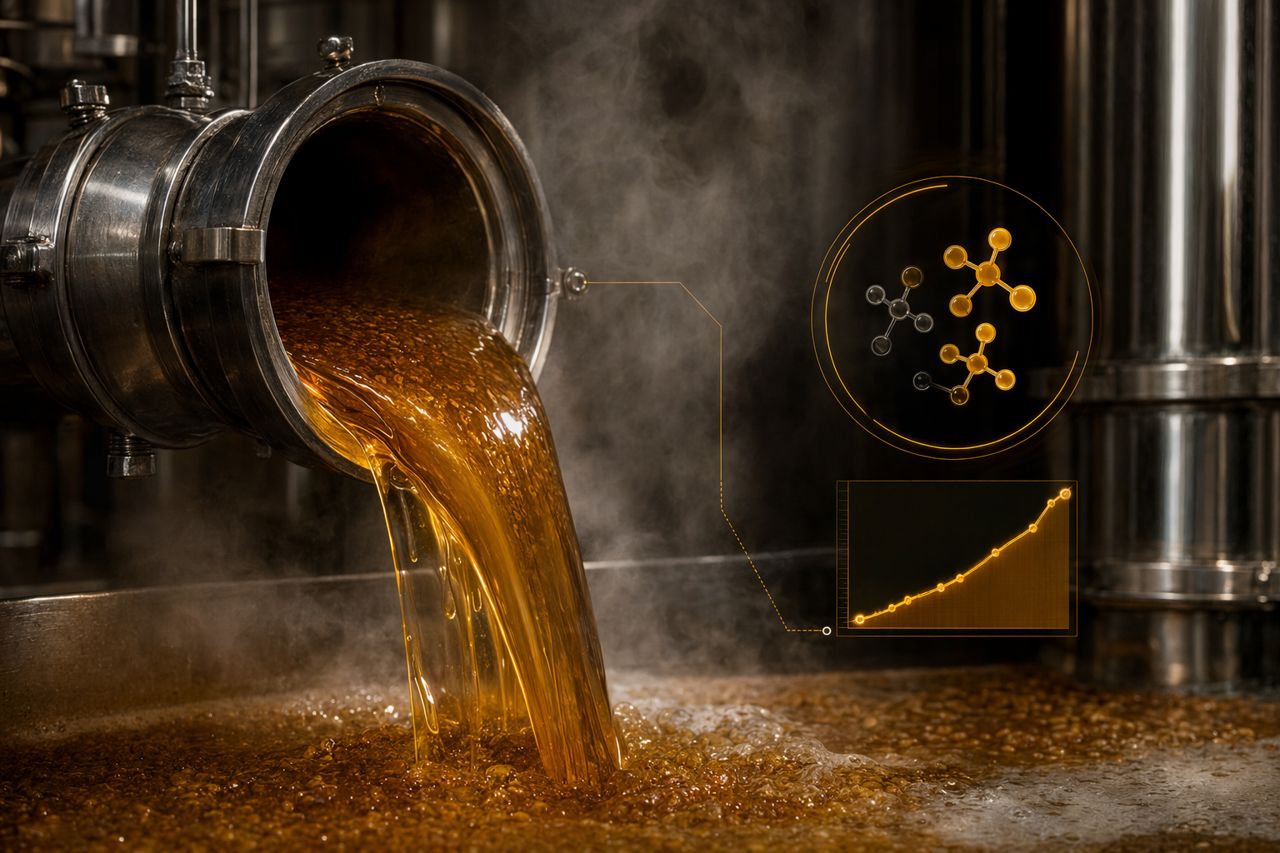
In grain distilling, residual dextrins represent yield still locked inside the mash. Glucoamylase is specified to convert starch-derived dextrins into fermentable glucose, helping distillers improve attenuation, support yeast performance, and reduce unconverted carbohydrate left in stillage.
Buying for a plant or for resale? Distilling-grade glucoamylase is supplied in bulk to distilleries, distributors and resellers on a quote basis; send the mash type, quantity and destination. Request a quote.
Built for corn, wheat, barley, rye, sorghum, cassava, potato, and mixed cereal mashes, Glucoamylase Enzyme Solutions supports conversion programs where commercial reliability matters: batch consistency, fermentation predictability, and efficient use of substrate.

What glucoamylase does in distilling
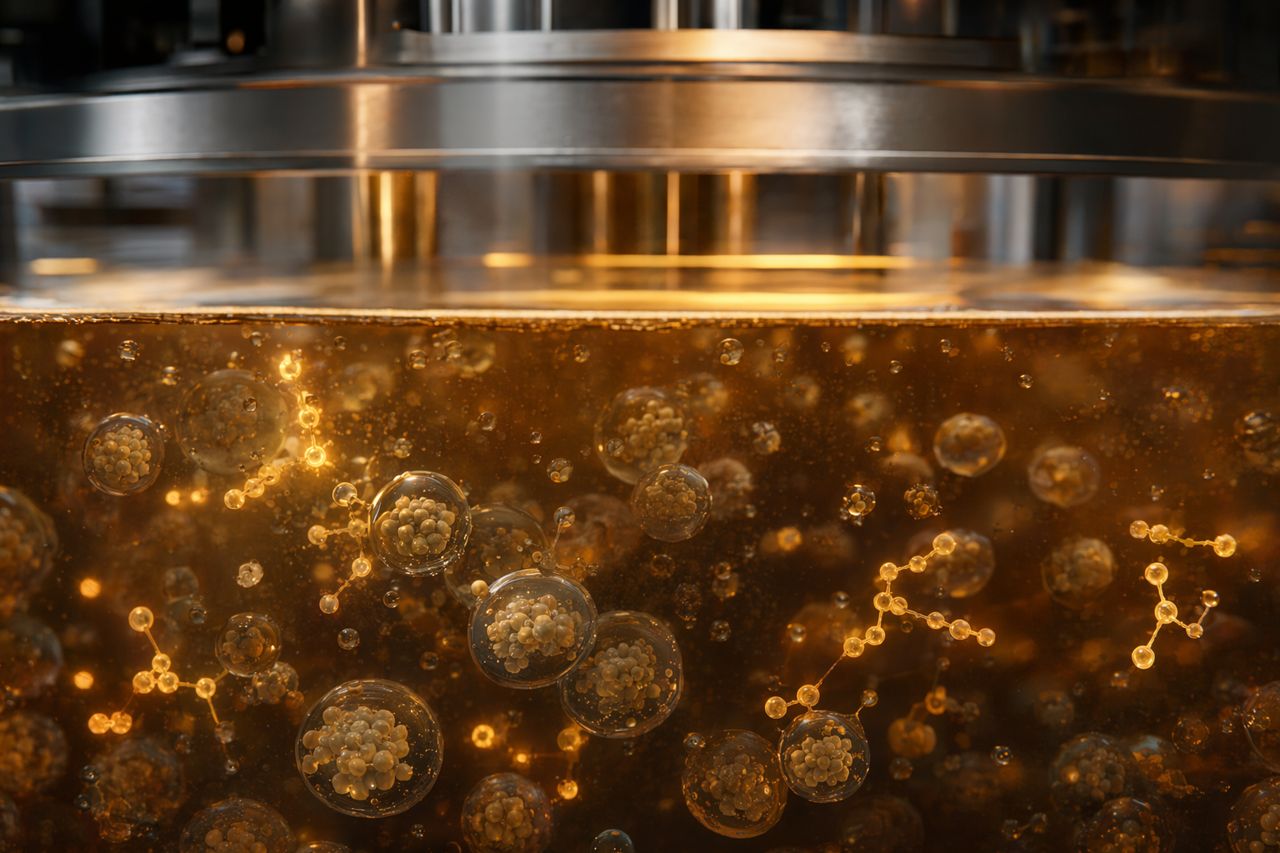
Glucoamylase, also known as amyloglucosidase or glucan 1,4-alpha-glucosidase, works after starch has been gelatinized and liquefied. Where alpha-amylase opens starch into shorter dextrin chains, glucoamylase continues the conversion by releasing glucose from those chains.
For distilling operations, that translates into:
- Higher fermentable sugar availability from starch-based raw materials
- Improved mash attenuation and reduced residual dextrin load
- Better use of grain solids in high-value spirit and industrial alcohol programs
- Lower viscosity pressure across mashing, transfer, and fermentation handling
- More consistent sugar profiles for yeast management
- Reduced variability across grain lots, seasonal starch quality, and cereal blends
Where Glucoamylase Enzyme Solutions fits in the distillery process
Glucoamylase can be integrated into common distilling conversion strategies, including:
Saccharification after liquefaction
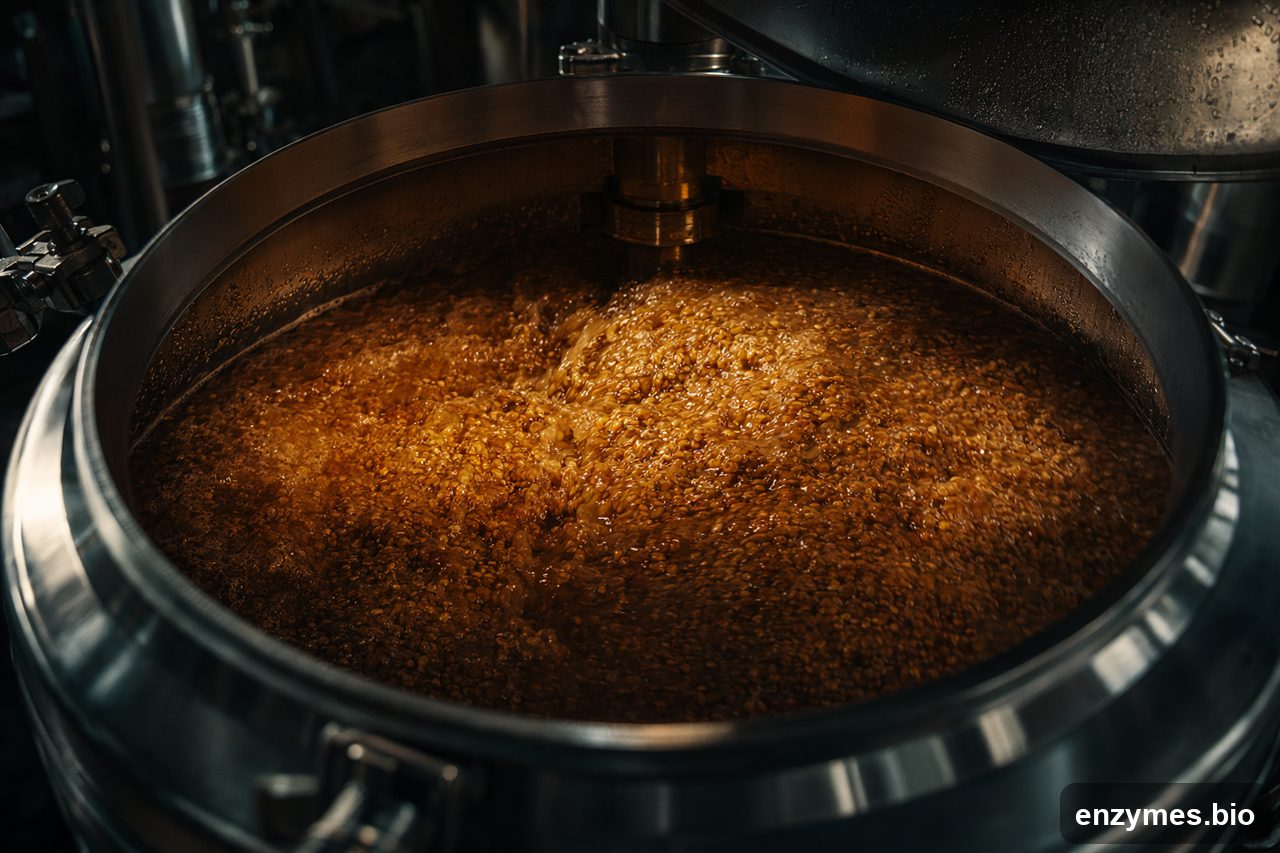
For plants running a defined liquefaction step, glucoamylase is introduced once the mash profile is suitable for dextrin-to-glucose conversion. This approach gives process engineers clearer control over residence time, mash condition, and sugar release before fermentation.
Simultaneous saccharification and fermentation
In SSF-style programs, glucoamylase continues to release fermentable sugars while yeast consumes them. This can help manage osmotic pressure, support fermentation continuity, and reduce the risk of incomplete carbohydrate conversion.
High-solids grain mashes
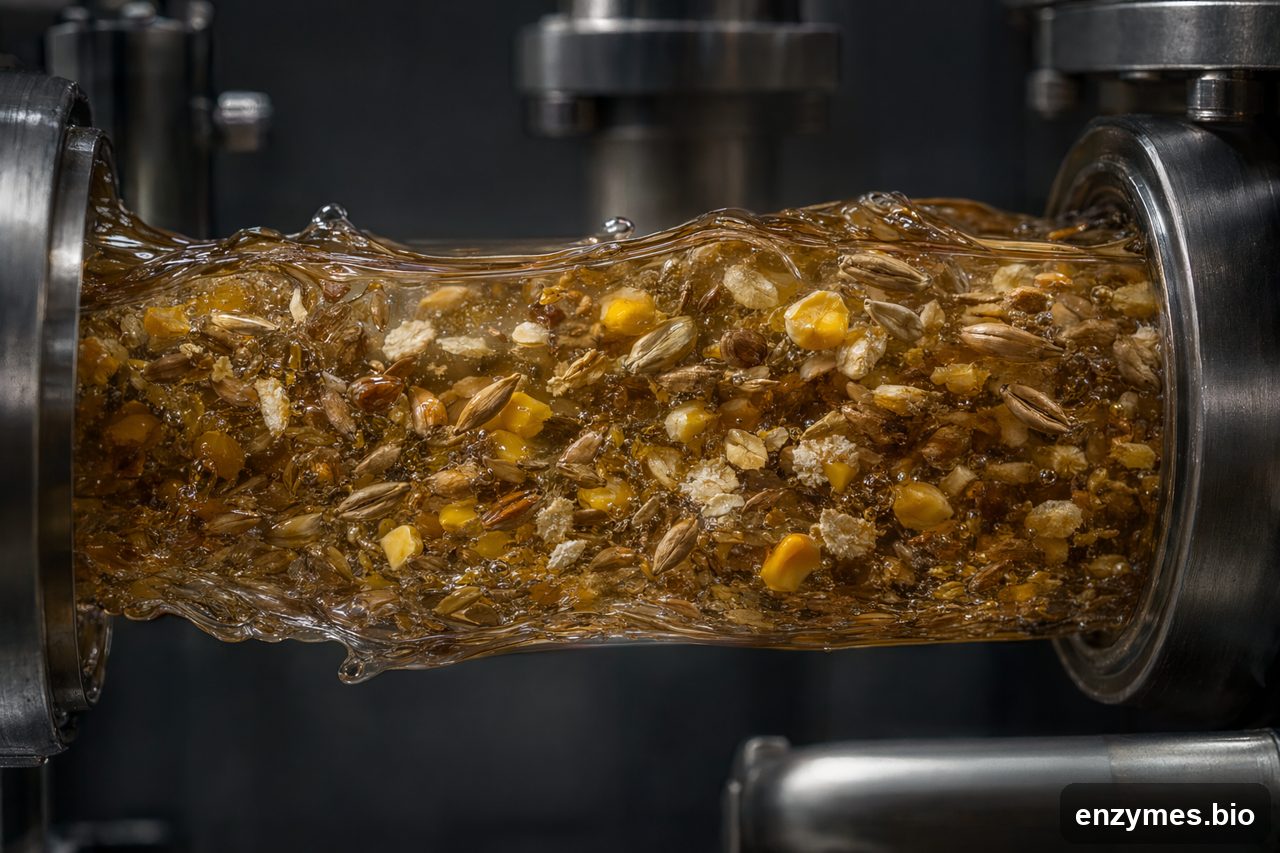
High-solids mashing is attractive for throughput and alcohol yield, but it increases demands on mixing, viscosity control, and enzyme distribution. Glucoamylase is selected for practical handling in dense cereal systems where conversion consistency is commercially important.
Distilling benefits by operating priority
For process engineers
- Supports conversion of residual dextrins after liquefaction
- Helps reduce viscosity and improve mash movement
- Works as part of defined enzyme programs with alpha-amylase and supporting process aids
- Can be matched to plant-specific cook profiles, saccharification strategies, and fermentation designs
For fermentation leads
- Improves fermentable glucose availability for yeast
- Supports more complete attenuation
- Helps reduce variability from raw material changes
- Enables tighter control of sugar release across the fermentation curve
For procurement teams
- Available for industrial distilling specifications and recurring supply programs
- Can be discussed by substrate, process window, format, packaging, and documentation requirements
- Suitable for technical review before scale-up or supplier qualification
- Supports cost-in-use evaluation based on conversion objectives, not headline dosage claims
Typical distilling substrates
Glucoamylase can be specified for grain and starch-based alcohol production using:
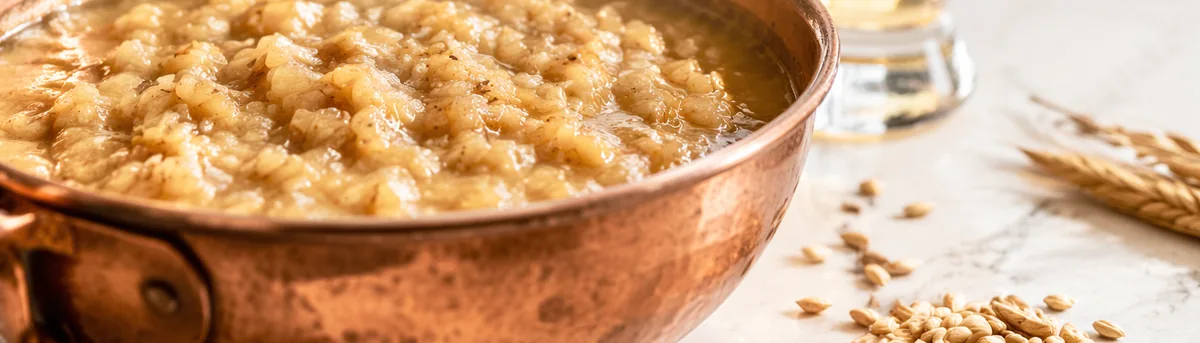
- Corn and maize mash
- Wheat mash
- Barley and malt-adjacent cereal systems
- Rye mash
- Sorghum mash
- Cassava and tapioca starch streams
- Potato starch streams
- Mixed grain bills and cereal blends
For spirit producers, substrate selection is not only about starch content. Grain particle size, cook severity, liquefaction efficiency, non-starch solids, viscosity, yeast strain, and fermentation time all influence the right enzyme program.
Practical specification considerations
When evaluating glucoamylase for distilling, Glucoamylase Enzyme Solutions recommends reviewing:
- Raw material type and starch availability
- Liquefaction quality and residual dextrin profile
- Mash solids level and viscosity behavior
- Saccharification timing and hold strategy
- Fermentation duration and attenuation target
- Compatibility with alpha-amylase, protease, and nutrient programs
- Required format, packaging, storage, and documentation
- Plant trial criteria: sugar release, residual carbohydrate, ethanol outcome, and stillage profile
This keeps evaluation focused on measurable production outcomes rather than isolated lab numbers.
Designed for commercial distilling decisions
Glucoamylase Enzyme Solutions is positioned for B2B enzyme qualification, not generic catalog selection. The right glucoamylase recommendation depends on how your plant cooks, transfers, ferments, and measures conversion success.
We support distilling discussions around:
- Yield improvement programs
- Multi-grain standardization
- High-solids mash handling
- Fermentation completion and residual sugar reduction
- Supplier qualification and documentation planning
- Trial design for production-scale validation
Request a wholesale quote
We supply glucoamylase for grain, cassava and mixed-cereal distilling mashes in bulk to manufacturers, distributors and resellers, on a quote-only basis. To get a recommendation and a price, send: the product or application, the quantity (trial lot, monthly or annual), the destination country, and the process step where the glucoamylase will be used. Format (liquid or powder) and pack size are quoted per order; tell us your preference if you have one.