Glucoamylase for Feed and Starch-Rich Agricultural Substrates
Starch-rich agricultural streams can carry value that is difficult to access without targeted enzymatic conversion. Glucoamylase Enzyme Solutions supplies glucoamylase in bulk to feed mills, premix and feed-additive manufacturers, agricultural processors and the distributors who serve them, for operations that need practical carbohydrate breakdown support across grain-based feed materials, wet agricultural substrates, co-products, and fermentation-prep streams.
Buying for a plant or for resale? Feed and substrate-grade glucoamylase is quoted per order for manufacturers, distributors and resellers; send the substrate, quantity and destination. Request a quote.
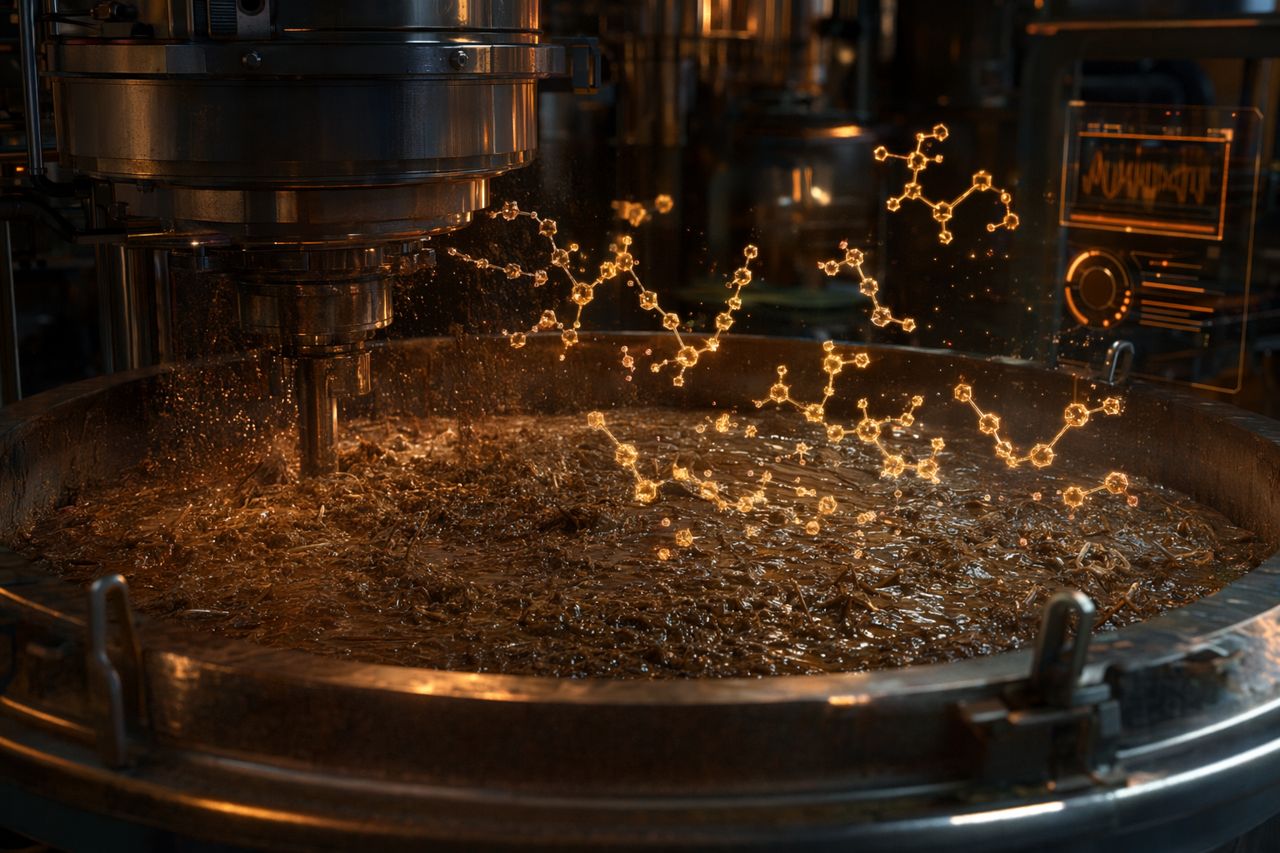
Glucoamylase, also known as amyloglucosidase or glucan 1,4-alpha-glucosidase, works by releasing glucose from starch-derived chains. In commercial processing, that means improved fermentable sugar availability, lower residual starch potential, and better handling of viscous carbohydrate slurries when the enzyme is matched to the substrate and process window.
Where glucoamylase fits
Glucoamylase Enzyme Solutions supports B2B buyers working with starch-bearing materials where carbohydrate conversion is part of yield, digestibility, or downstream consistency targets.
Common application areas
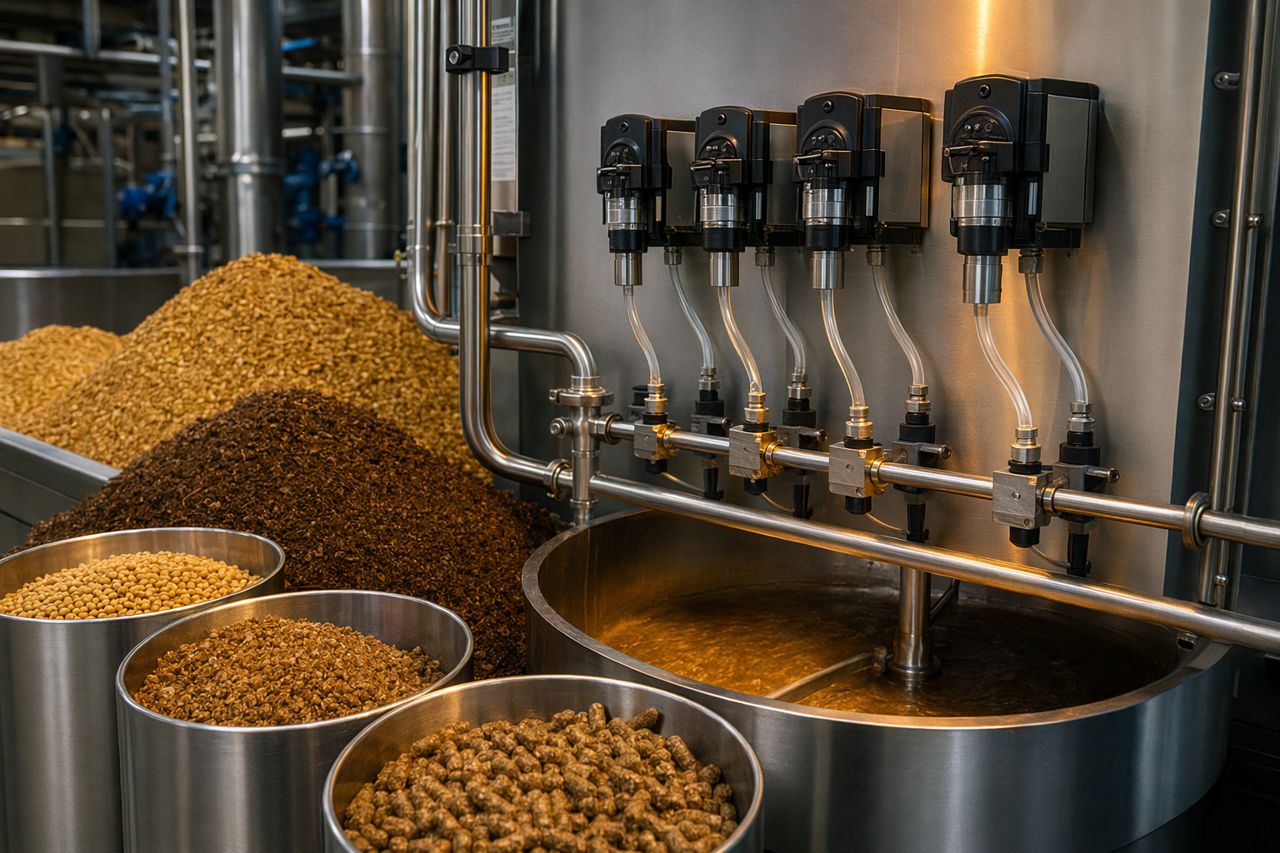
- Compound feed and premix formulation support for starch-rich diets
- Grain and cereal substrate treatment before drying, pelleting, or further processing
- Agricultural co-product upgrading where residual starch remains commercially relevant
- Fermentation substrate preparation for glucose release from liquefied or partially hydrolyzed starch
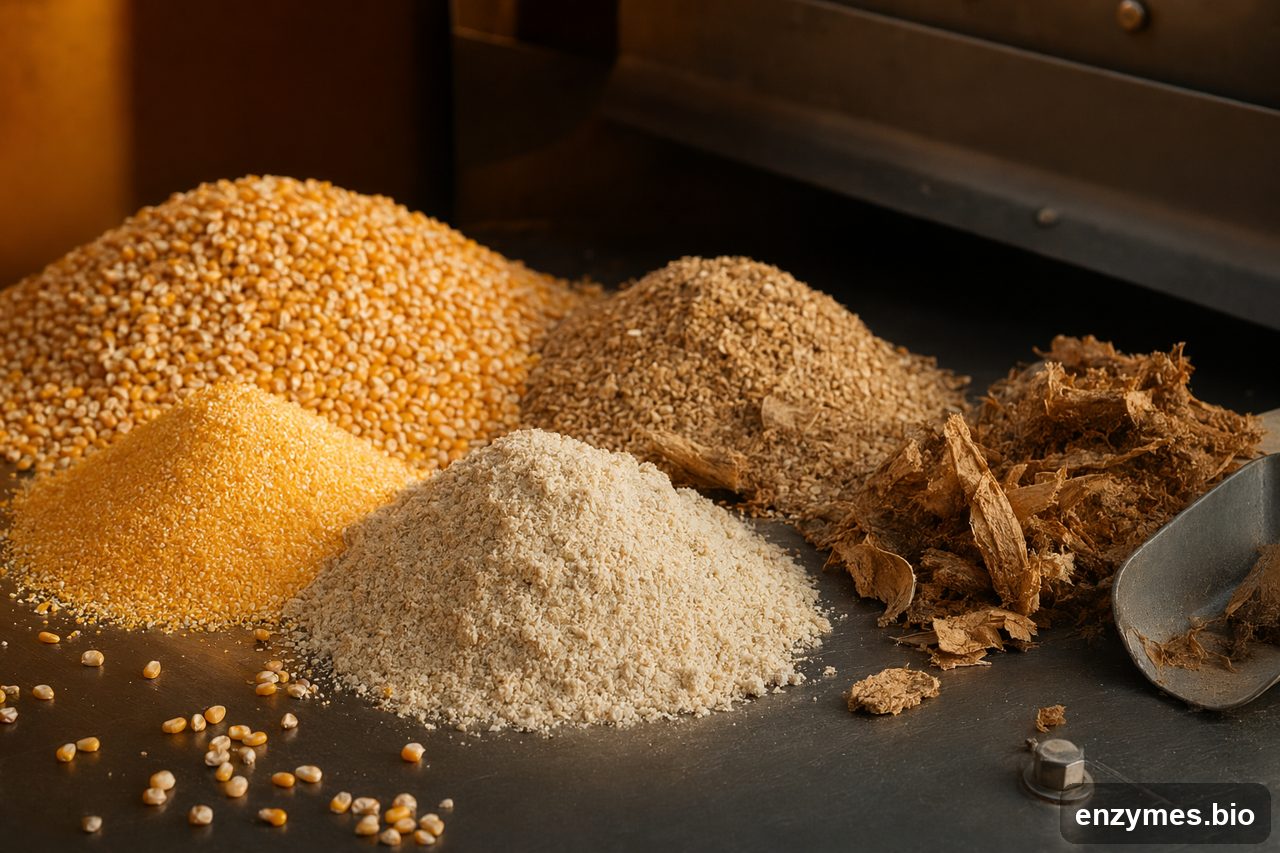
- Wet processing lines handling corn, wheat, cassava, sorghum, rice, barley, or mixed starch streams
- On-site trials where viscosity, sugar profile, and residual starch are tracked as operating indicators
What glucoamylase contributes
More accessible carbohydrate value
Glucoamylase helps convert starch-derived dextrins into glucose. For feed and agricultural substrate processors, this can support improved carbohydrate accessibility and more predictable energy contribution from starch-rich inputs.
Better substrate readiness for fermentation
When starch-rich agricultural materials are routed into fermentation, the sugar profile of the feedstock directly affects conversion economics. Glucoamylase can be used after liquefaction or pre-treatment steps to support glucose release before fermentation or blending.

Viscosity and handling advantages
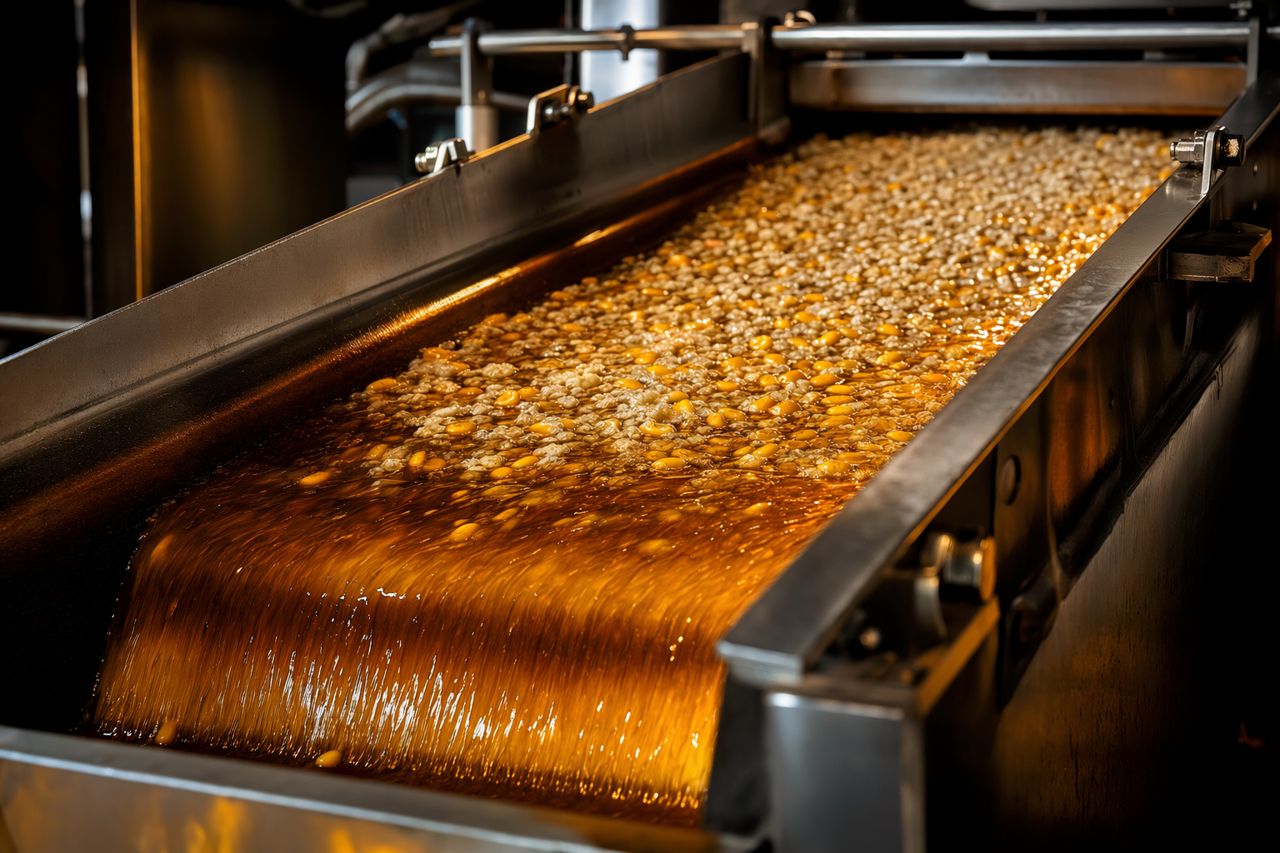
In wet starch-bearing streams, incomplete carbohydrate breakdown can contribute to heavy, inconsistent slurry behavior. Properly selected glucoamylase can support smoother flow, more uniform mixing, and easier downstream processing.
More consistent raw material utilization
Agricultural substrates vary by crop, harvest conditions, milling profile, moisture, and prior processing. Enzymatic conversion gives processors another control lever when raw material starch availability changes across batches.
Process considerations for feed and agricultural substrates
Glucoamylase Enzyme Solutions does not treat enzyme selection as a catalog exercise. The right recommendation depends on the substrate, upstream treatment, residence time, solids level, pH range, thermal exposure, and the commercial target of the process.

Key specification questions
- Is the material raw starch, gelatinized starch, liquefied starch, or a mixed co-product stream?
- Is the goal feed digestibility support, fermentation sugar release, viscosity reduction, or residual starch reduction?
- Will the enzyme be applied in a wet slurry, conditioning stage, liquid premix, or post-liquefaction process?
- What downstream step must the enzyme support: pelleting, drying, fermentation, storage, or blending?
- Are there compatibility requirements with alpha-amylase, protease, xylanase, phytase, acids, salts, or preservatives?
Formulation and purchasing support
Glucoamylase Enzyme Solutions is built for technical buyers who need enzyme supply aligned with production realities. We help procurement and formulation teams compare format, compatibility, handling, documentation, and trial approach before scale-up.
Available commercial discussion points
- Liquid or dry format suitability for your process
- Compatibility with existing enzyme systems
- Storage, handling, and stability expectations
- Trial design based on your commercial target
- Documentation for B2B purchasing and quality review
- Supply planning for recurring production
Evaluation markers to track
For feed and agricultural substrate trials, useful performance indicators may include:
- Glucose release trend
- Residual starch reduction
- Slurry viscosity change
- Mixing and pumping behavior
- Fermentation readiness or conversion consistency
- Batch-to-batch process repeatability
- Final product handling characteristics
Glucoamylase Enzyme Solutions can help structure a practical trial that connects enzyme use to measurable operating outcomes without overcomplicating the plant floor.
Built for high-yield starch conversion work
Feed and agricultural substrate processing is rarely clean or uniform. It involves variable crops, mixed particle sizes, thermal history, moisture shifts, and changing commercial targets. Glucoamylase is positioned for teams that need an enzyme partner focused on applied conversion, not generic claims.
If your stream contains starch, dextrins, or partially hydrolyzed carbohydrate material, glucoamylase may be the control point that improves sugar release and downstream consistency.
Request a wholesale quote
We supply glucoamylase for feed, grain co-products and starch-rich agricultural substrates in bulk to manufacturers, distributors and resellers, on a quote-only basis. To get a recommendation and a price, send: the product or application, the quantity (trial lot, monthly or annual), the destination country, and the process step where the glucoamylase will be used. Format (liquid or powder) and pack size are quoted per order; tell us your preference if you have one.