Glucoamylase for Glucose Syrup Production
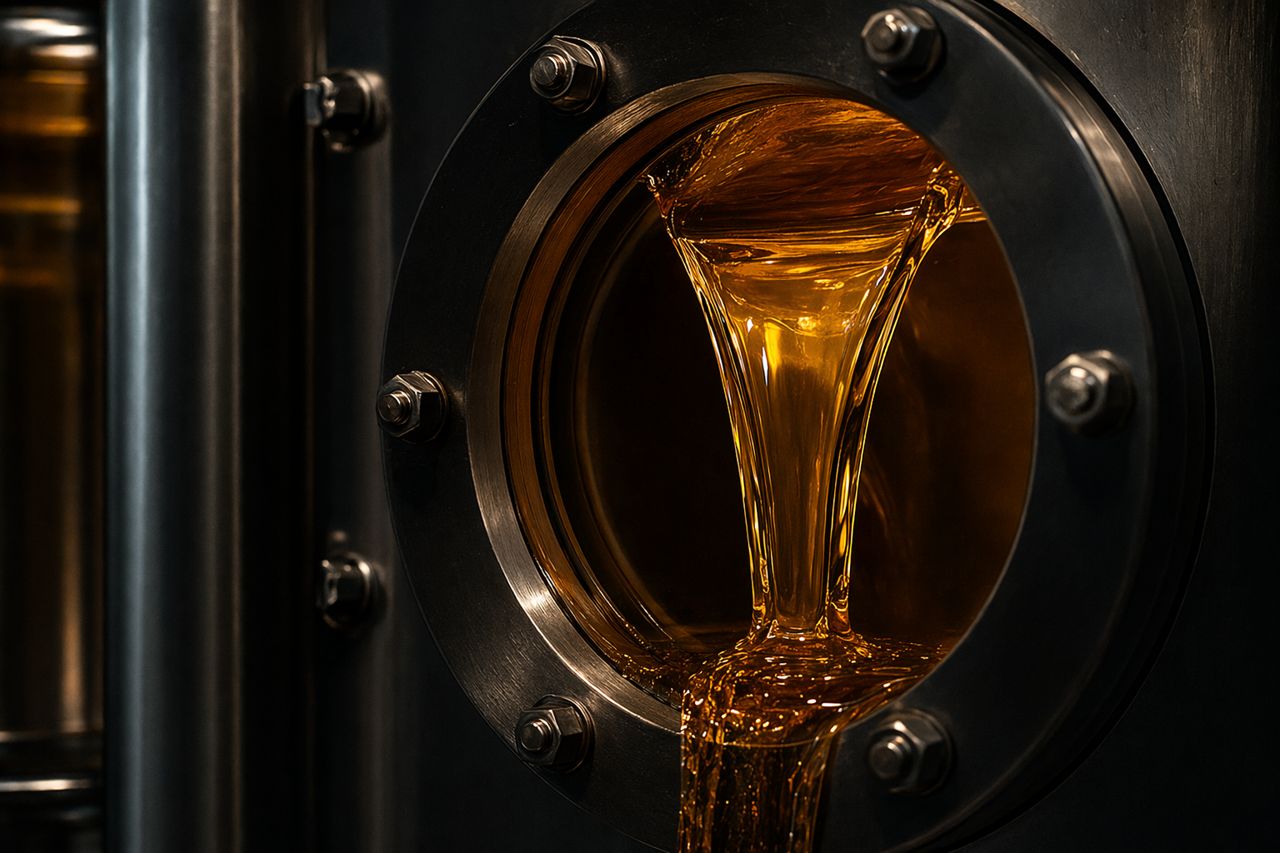
Glucoamylase, also known as amyloglucosidase or glucan 1,4-alpha-glucosidase, is a core saccharification enzyme for producing glucose-rich syrups from liquefied starch streams.
Glucoamylase Enzyme Solutions supplies glucoamylase in bulk to glucose syrup and starch-sweetener manufacturers, and to the ingredient distributors and resellers who serve them, for lines that need reliable conversion, manageable viscosity, and a final syrup profile that fits food, beverage, confectionery, ingredient, and fermentation customers.
Buying for a plant or for resale? Syrup-grade glucoamylase, liquid or powder, is quoted per order; send the starch source, quantity and destination. Request a quote.
Convert liquefied starch into glucose-rich syrup
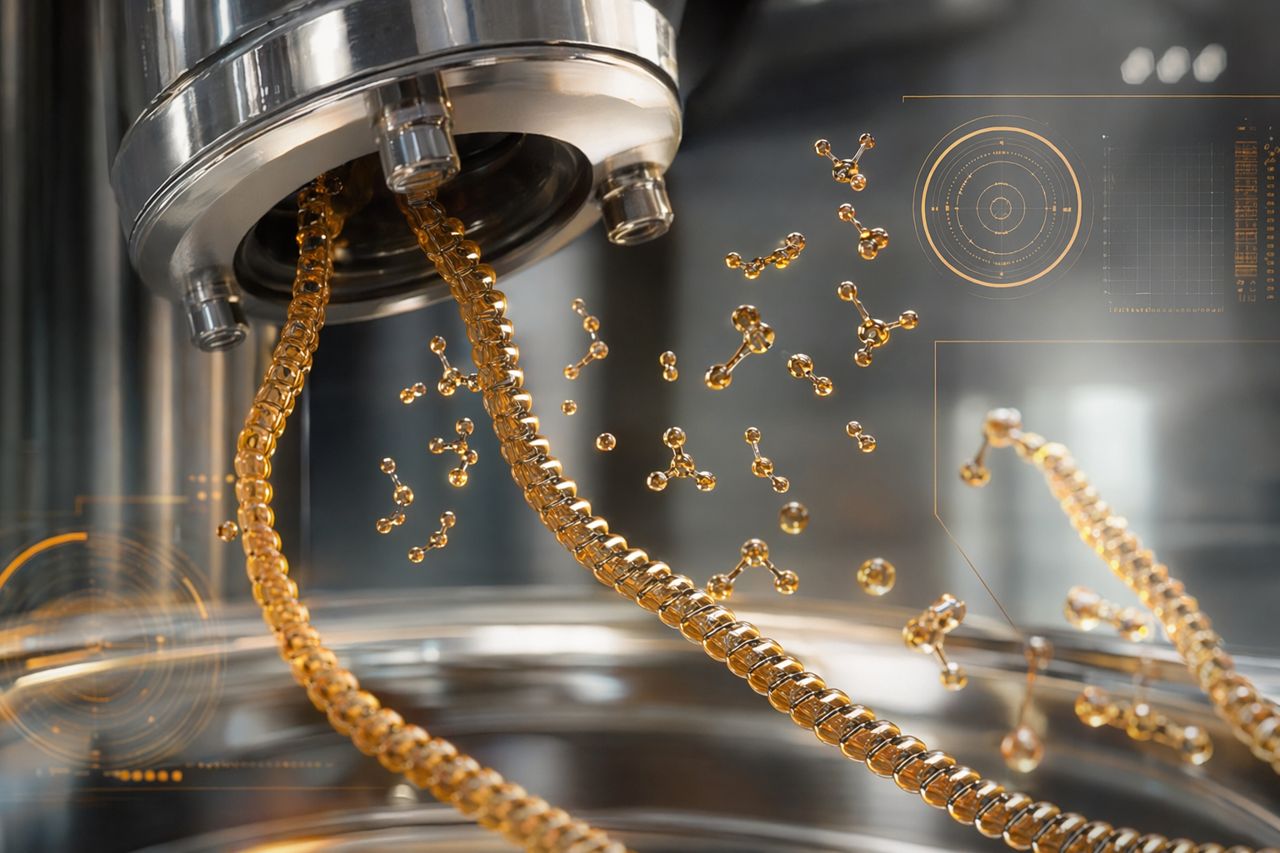
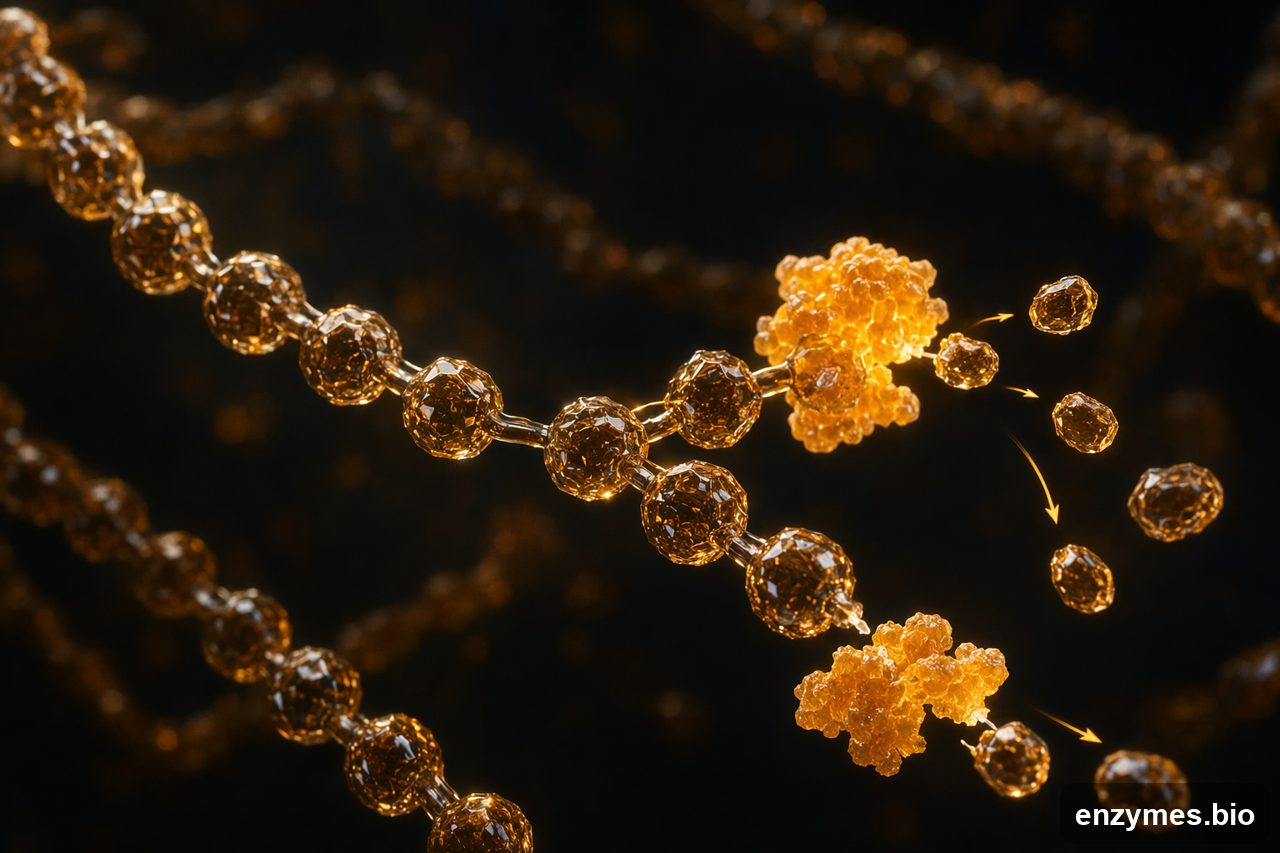
After starch liquefaction, the process stream is largely composed of dextrins and shorter glucose polymers. Glucoamylase works from the non-reducing ends of these chains, releasing glucose and supporting a controlled shift from dextrin-rich hydrolysate toward a glucose-forward syrup.
For production teams, the value is practical:
- Higher glucose release from liquefied starch-derived substrates
- Improved saccharification consistency across batches
- Lower residual dextrin load when the process is properly controlled
- Better viscosity management for transfer, filtration, evaporation, and blending
- A syrup profile better aligned with sweetness, fermentability, and solids-handling requirements
Where Glucoamylase Enzyme Solutions fits in the syrup line
Glucoamylase is typically used in the saccharification stage after starch has been gelatinized and liquefied. It can support glucose syrup production from common starch-derived feedstocks, including corn, wheat, tapioca, potato, and mixed industrial starch streams, subject to process validation.
Common production objectives include:
- Glucose-rich syrup for food and beverage ingredients
- Confectionery syrup where sweetness profile and solids behavior matter
- Fermentation feed syrup requiring predictable fermentable sugar release
- Ingredient syrup where repeatable specification control is commercially important
- Intermediate syrup streams for further refining or blending
Process benefits that matter commercially
Yield-oriented saccharification
The enzyme selection decision is not only about buying an enzyme input. It is about how much usable glucose-rich syrup the plant can produce from available substrate while staying inside the required specification. Glucoamylase is selected for lines where conversion efficiency, substrate utilization, and predictable finish are central to margin.
Viscosity reduction and easier handling
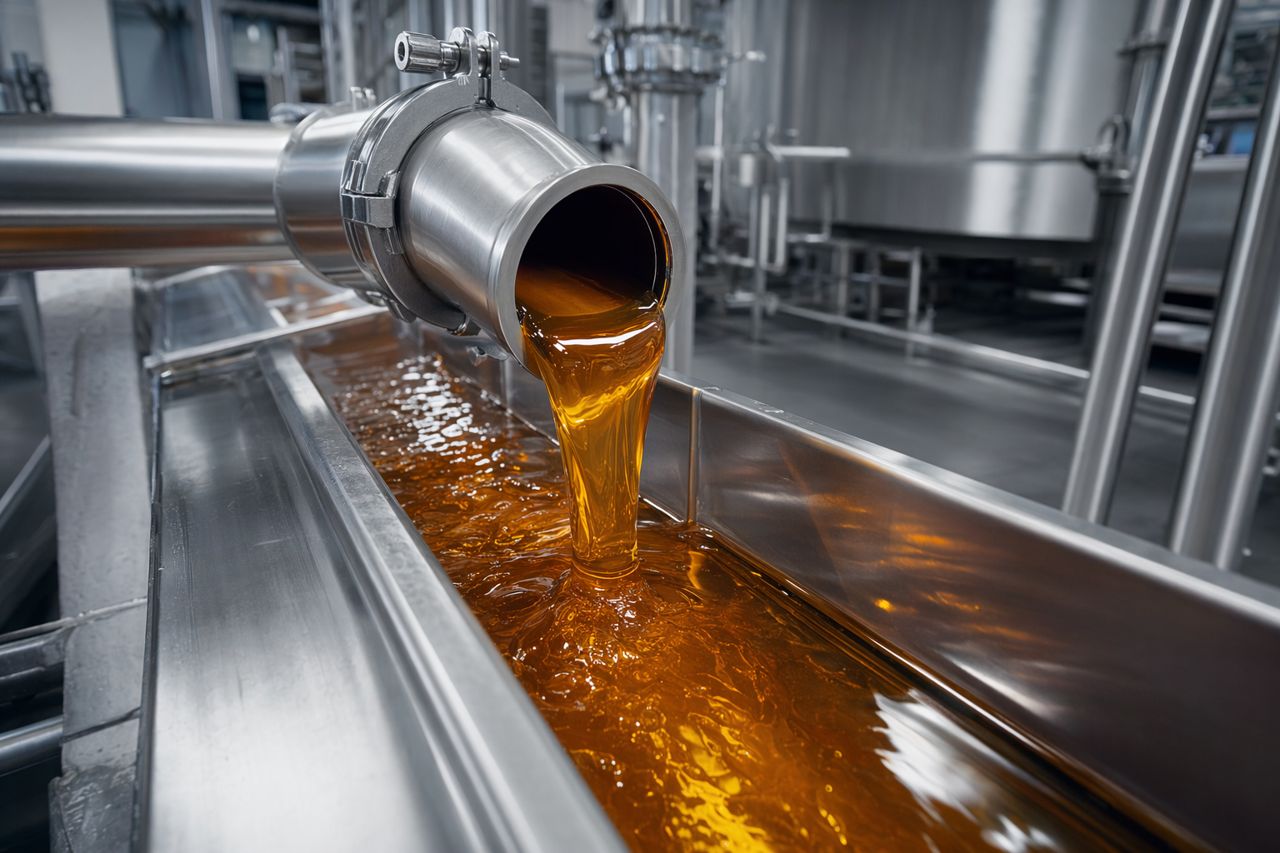
As dextrins are converted into glucose, syrup behavior changes. A well-controlled saccharification step can reduce processing friction in transfer, filtration, evaporation, and downstream blending. This is especially relevant for facilities managing high-solids streams or tight production windows.
Consistent syrup profile
Food, beverage, confectionery, and fermentation customers do not just buy sugar content. They buy repeatability. Glucoamylase Enzyme Solutions supports a stable saccharification profile when aligned with the plant’s substrate, pH window, temperature strategy, residence time, and target syrup specification.
Practical fit for industrial qualification
Every glucose syrup line has its own constraints: feedstock variation, liquefaction performance, equipment geometry, hold time, downstream filtration, evaporation load, and final customer requirements. Glucoamylase is intended to be qualified against real plant conditions, not selected from a generic datasheet alone.
Liquid or powder: choosing the glucoamylase format for a syrup line
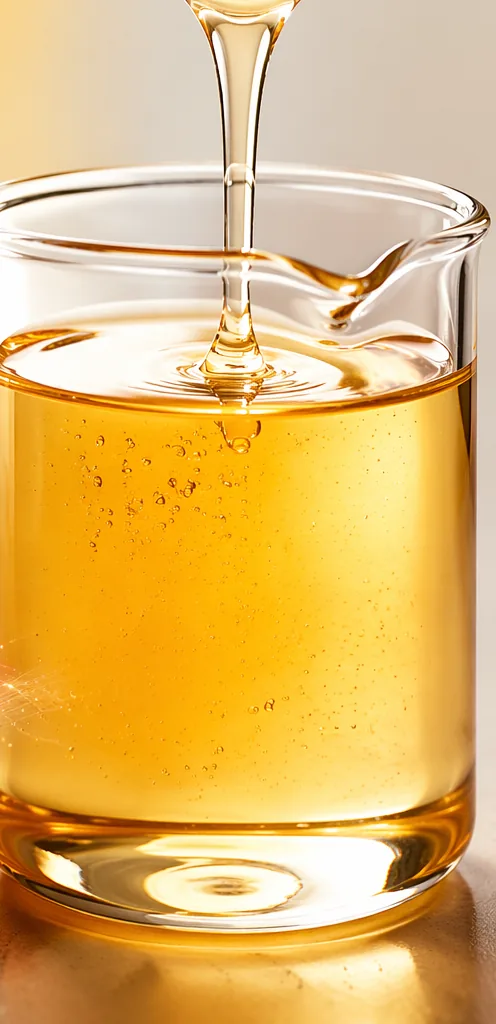
Syrup producers buy glucoamylase in two physical forms, and the choice is mostly about how the plant doses and stores the enzyme. A liquid grade is typically a refined, stabilised brown liquid from Aspergillus niger fermentation. It works from the non-reducing end of the starch chain, releasing glucose from the alpha-1,4 bonds, and it also hydrolyses the alpha-1,6 branch points, only more slowly. A powder grade is a near-white to light-brown powder that dissolves in water, and it comes in different particle fineness grades, so state the fineness your dosing station needs.
| Question for the plant | Liquid grade | Powder grade |
|---|---|---|
| How is it dosed? | Metered straight into the saccharification tank | Weighed, then dissolved in water before addition |
| What does it look like on arrival? | Stabilised brown liquid | Near-white to light-brown powder |
| What can be specified? | Format and pack | Particle fineness and pack |
Two mistakes syrup buyers make with format
- Copying a dose from a datasheet instead of setting it by trial: the right addition depends on your own starch and process, and colour can differ slightly between batches without any change in performance.
- Ordering a powder without stating the fineness, then finding it dusts or dissolves slowly in the dosing station.
Key qualification questions
Before recommending a commercial supply position, Glucoamylase Enzyme Solutions focuses on process-fit information that affects performance and cost-in-use:
- What starch source or starch-derived substrate is being processed?
- Is the liquefaction step already optimized and stable?
- What final syrup profile is required?
- What temperature and pH range is used during saccharification?
- What residence time is available before downstream processing?
- Are viscosity, filtration rate, color, or residual dextrin levels limiting throughput?
- Is the syrup used directly, blended, refined, or sent to fermentation?
- What packaging format, documentation, and delivery cadence does procurement require?
Product targets and application fit
Different plants define success differently. A confectionery syrup line may prioritize body, clarity, and solids handling. A dextrose or fermentation feedstock line may prioritize fermentable glucose and low residual oligosaccharides. An isoglucose or high-fructose syrup line needs a glucose-rich intermediate that is well suited for downstream isomerization.
| Production target | What glucoamylase supports | Key operating focus |
|---|---|---|
| Glucose syrup | Controlled conversion of dextrins into glucose-rich syrup | DE progression, viscosity, filtration, color control |
| High-glucose syrup | Strong final glucose release from liquefied starch | Saccharification hold, substrate quality, residual dextrin management |
| Dextrose production | Feed syrup suitable for crystallization or further refining | Sugar purity, impurity load, consistent conversion |
| Fermentation feedstock | Fermentable sugar generation for microbial processes | Glucose availability, microbial control, repeatability |
| Isomerization feed | Glucose-rich syrup for fructose conversion | Clean glucose profile, low fouling tendency, downstream compatibility |
Use cases
Food and beverage syrup production
Glucoamylase supports glucose-rich syrup production for ingredient applications where sweetness contribution, solids behavior, and consistent supply quality are important.
Confectionery and specialty ingredient syrups
For confectionery and ingredient manufacturers, syrup consistency affects formulation performance, handling, and customer approval. Glucoamylase Enzyme Solutions helps processors maintain a tighter saccharification step before finishing or blending.
Fermentation feed syrup
Fermentation operations need predictable fermentable sugar availability. Glucoamylase helps convert starch-derived dextrins into glucose-rich streams that can be evaluated for fermentation feed applications.
Trial planning for glucose syrup lines
A useful plant or pilot trial should measure more than conversion at one time point. Glucoamylase Enzyme Solutions recommends a trial plan that follows the syrup through the full operating chain.
Track the following where applicable:
- Dextrose progression and sugar spectrum.
- Residual dextrin trend.
- Viscosity during saccharification.
- Filtration rate and cake behavior.
- Color development.
- Evaporator behavior and fouling indicators.
- Final solids and clarity.
- Microbial control indicators.
- Batch repeatability under normal plant variation.
The best enzyme choice is the one that protects product specification while improving the economics of the actual line.
What Glucoamylase Enzyme Solutions supplies beyond the enzyme
Glucoamylase Enzyme Solutions is built for B2B buyers who need commercial clarity as much as technical confidence. We can support:
- Technical discussion before trial planning
- Sample requests for process evaluation
- Batch and shipment documentation for qualification workflows
- Commercial quote support for recurring supply
- Packaging and logistics alignment for plant operations
- Scale-up discussion from bench or pilot work to production procurement
FAQ
Does glucoamylase replace alpha-amylase?
No. Alpha-amylase and glucoamylase perform different jobs. Alpha-amylase liquefies starch into dextrins. Glucoamylase converts those dextrins into glucose. Most glucose syrup lines need both stages properly controlled.
Can glucoamylase be used with different starch sources?
Yes, but performance should be validated by substrate. Corn, wheat, tapioca, and potato starch can all be suitable, yet each brings different processing behavior and impurity load.
Is glucoamylase only for high-glucose syrup?
No. It is used wherever glucose release from starch dextrins is required, including glucose syrup, dextrose production, fermentation feed preparation, and glucose-rich feed for isomerization.
Request a wholesale quote
We supply glucoamylase for glucose syrup, dextrose and starch-sweetener production in bulk to manufacturers, distributors and resellers, on a quote-only basis. To get a recommendation and a price, send: the product or application, the quantity (trial lot, monthly or annual), the destination country, and the process step where the glucoamylase will be used. Format (liquid or powder) and pack size are quoted per order; tell us your preference if you have one.