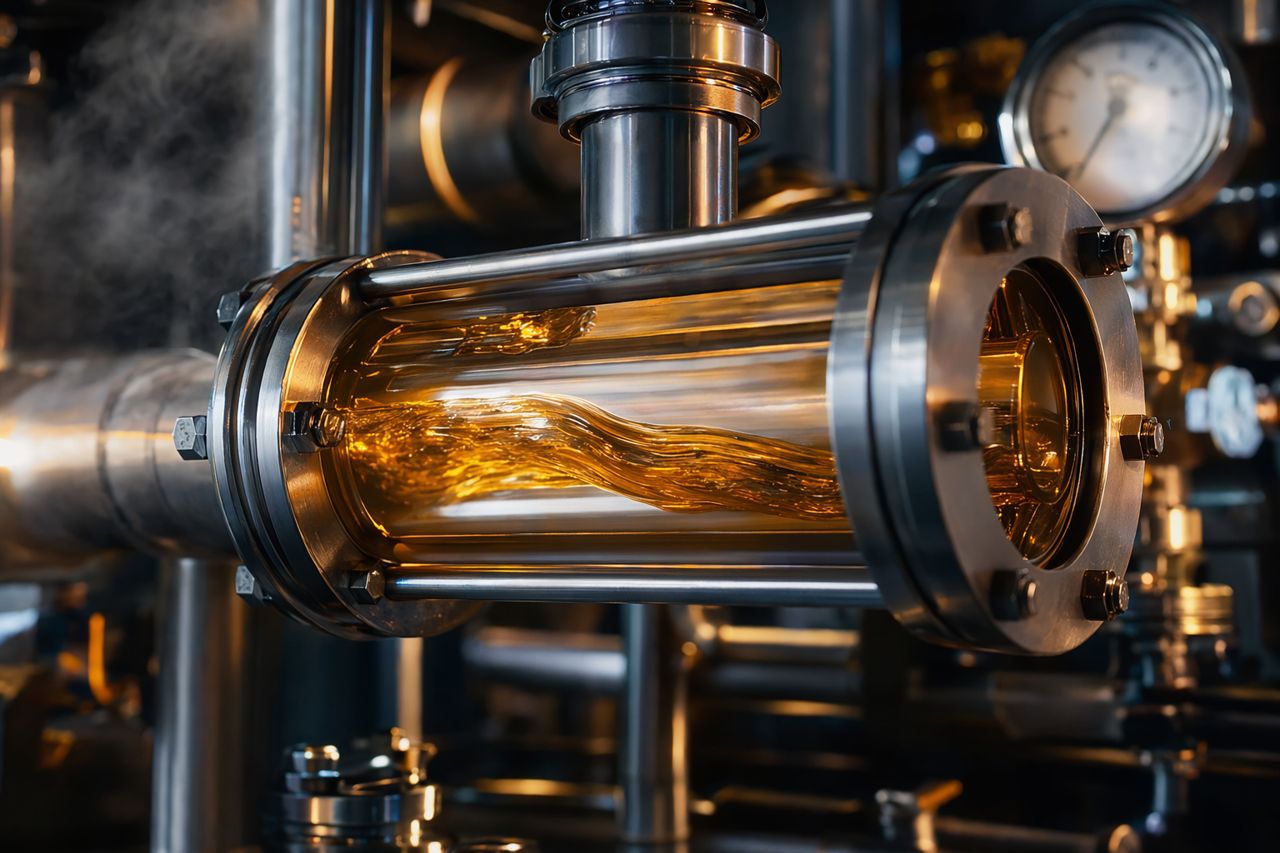
Glucoamylase for Fermentation Feedstock Preparation
Starch is an efficient carbon source only when the process can convert it into a clean, fermentable sugar profile. Glucoamylase Enzyme Solutions supplies glucoamylase in bulk to fermentation, bioprocessing and ingredient manufacturers, and to distributors and resellers, to support that conversion step by hydrolyzing liquefied starch and dextrins into glucose-rich feedstocks for microbial fermentation, bioprocessing, and ingredient manufacturing.
For fermentation teams, the target is not enzyme complexity. It is predictable sugar release, manageable viscosity, stable process handling, and a substrate profile that supports high-performing organisms batch after batch.
Buying for a plant or for resale? Fermentation-grade glucoamylase is quoted per order; send the fermentation product, quantity and destination. Request a quote.
Built for starch-to-glucose conversion before fermentation
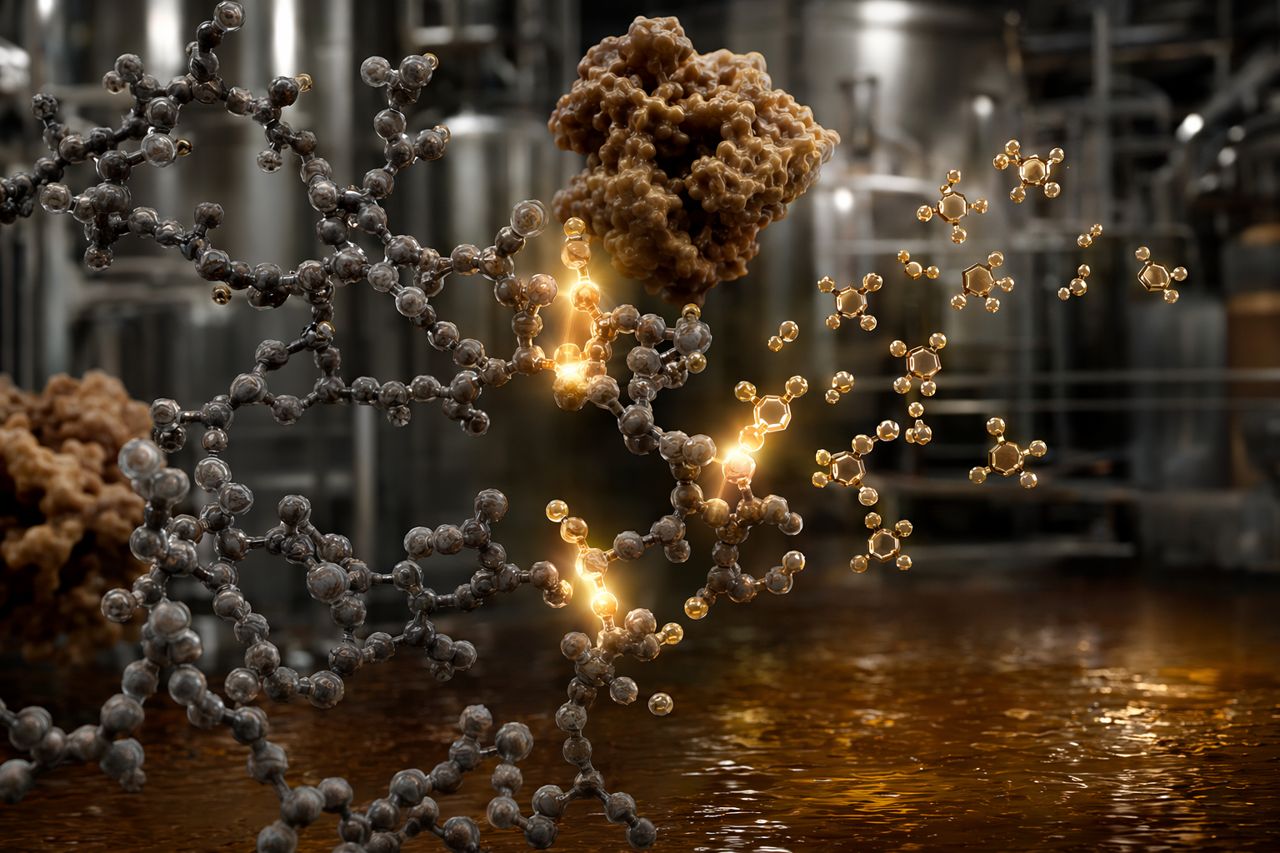
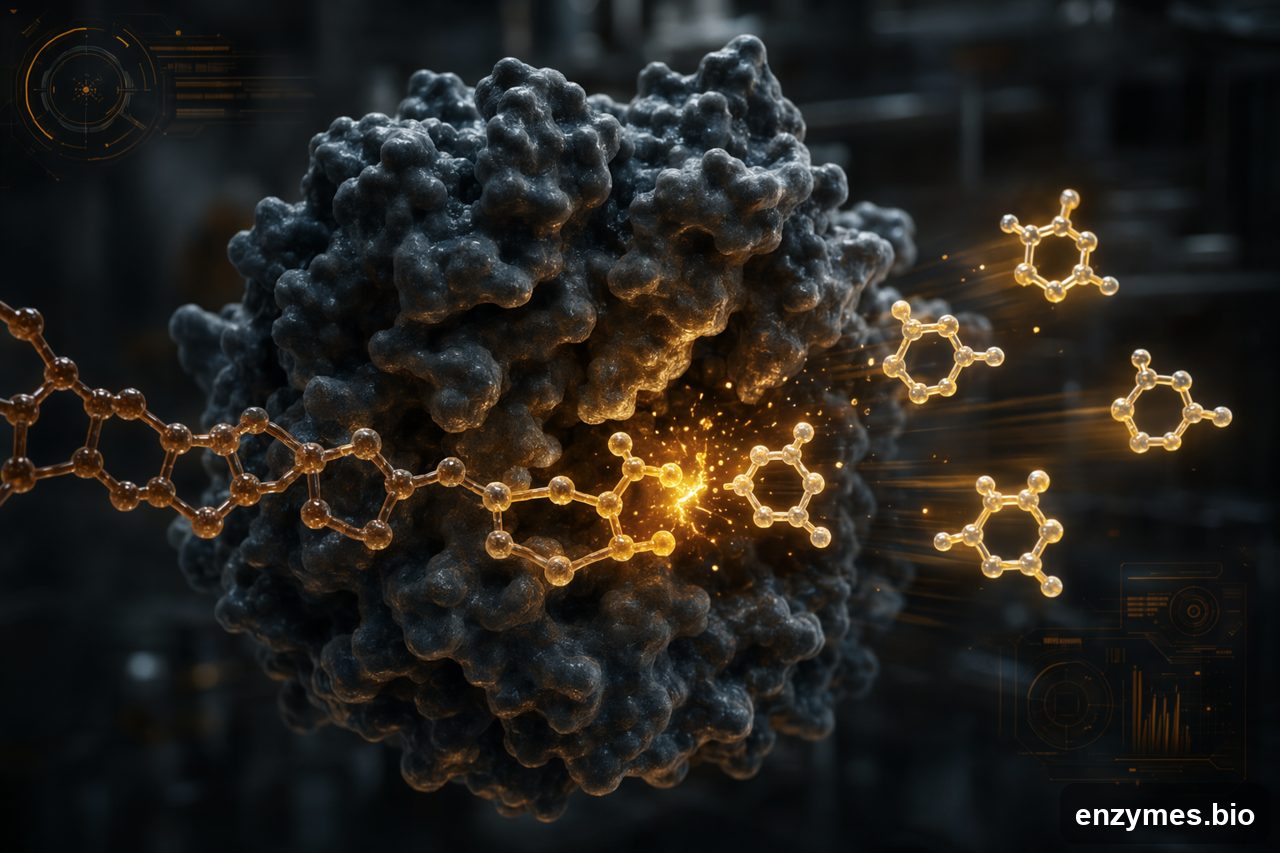
Glucoamylase, also known as amyloglucosidase or glucan 1,4-alpha-glucosidase, acts from the non-reducing ends of starch-derived chains to release glucose. In industrial feedstock preparation, it is typically used after liquefaction, where starch has already been opened into soluble dextrins.
Glucoamylase is selected for fermentation operations that need controlled saccharification and a glucose-rich hydrolysate from raw materials such as:
- Corn starch and corn-based liquefacts
- Wheat starch and flour-derived substrates
- Cassava, tapioca, and other tuber starches
- Rice, sorghum, and mixed grain feedstocks
- By-product starch streams requiring enzymatic upgrading
Where it fits in the process
1. Liquefaction output conditioning
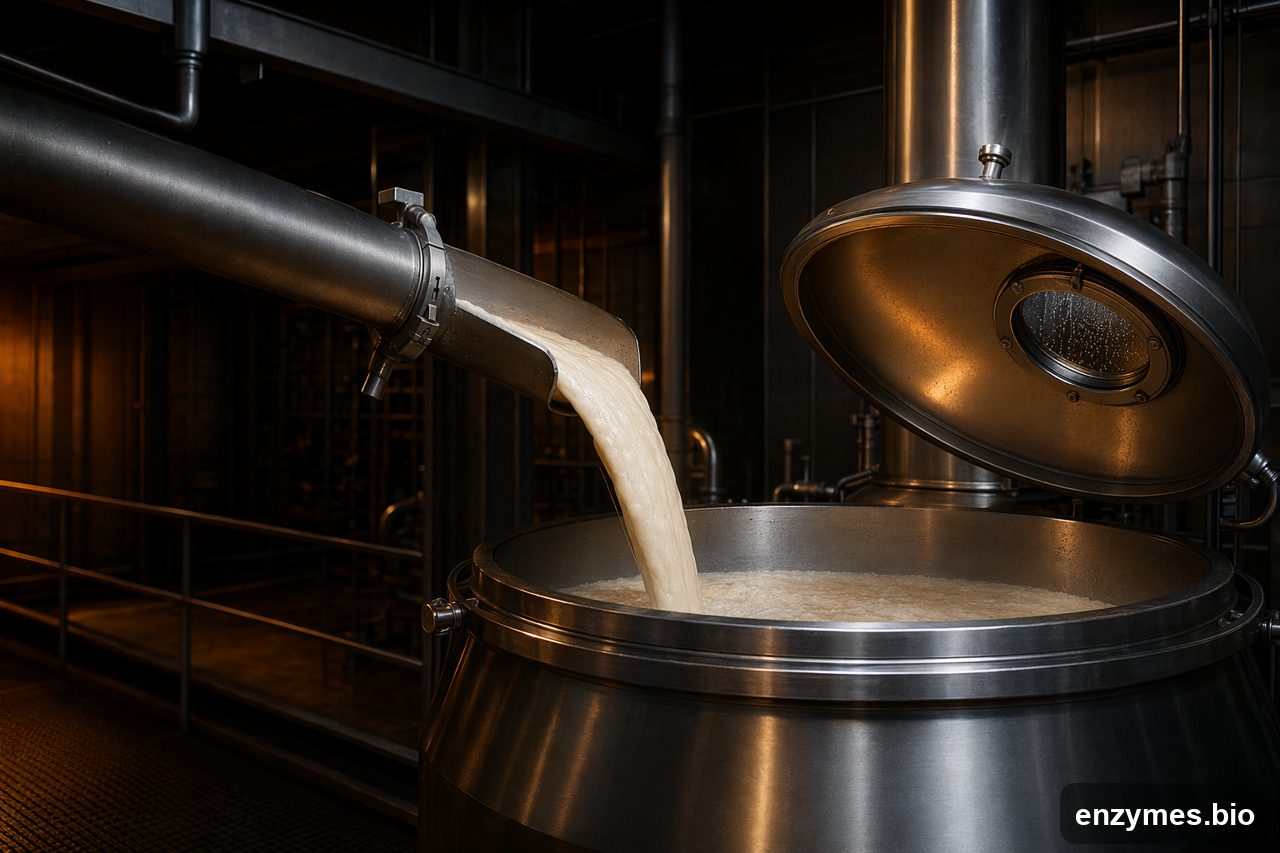
After alpha-amylase liquefaction, starch slurry is converted into shorter dextrin chains. Glucoamylase converts those dextrins further toward glucose, helping move the feedstock from a partially hydrolyzed starch stream to a fermentation-ready sugar source.
2. Saccharification before inoculation
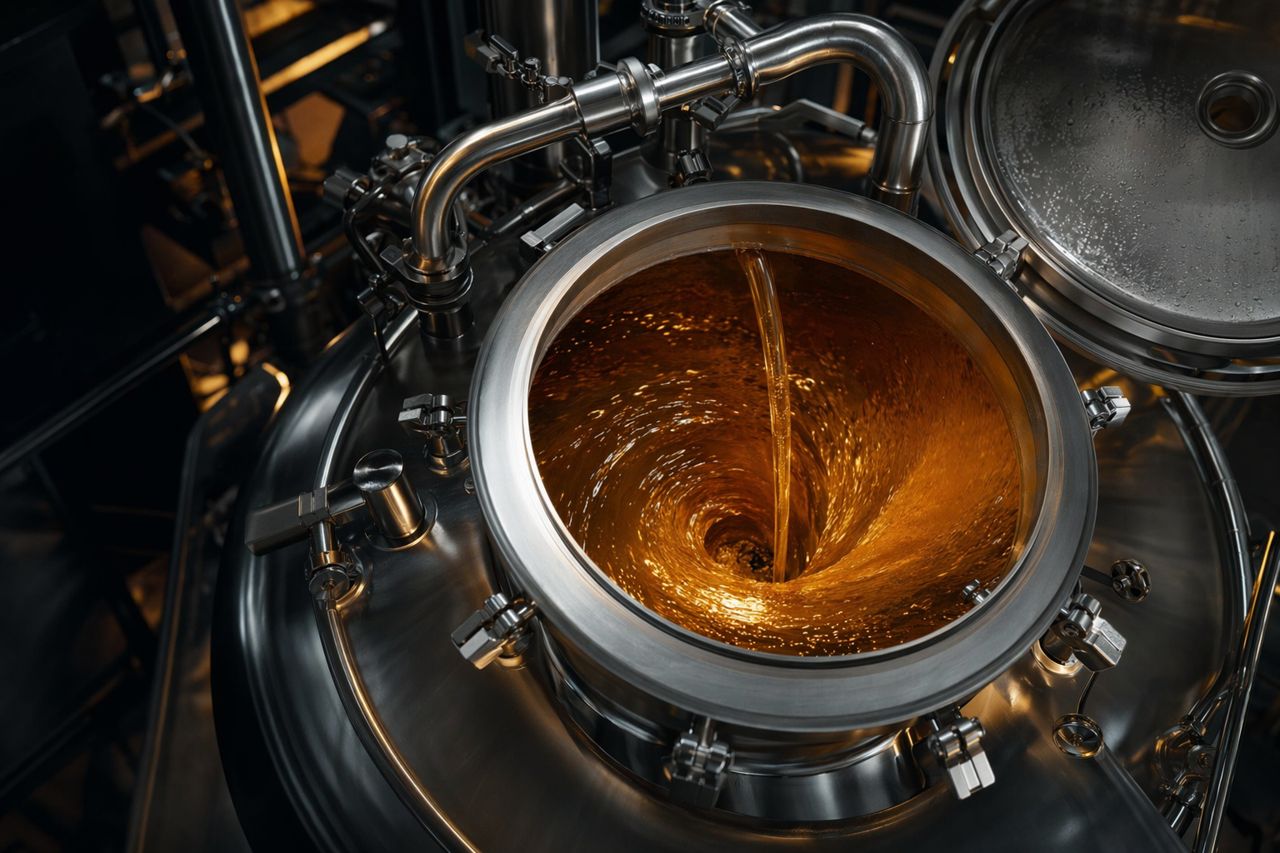
In separate saccharification and fermentation workflows, glucoamylase is applied before microbial inoculation to build the target glucose profile. This approach gives process engineers a defined feedstock window before fermentation begins.
3. Simultaneous saccharification and fermentation support
Where process design permits, glucoamylase can also support ongoing sugar release during fermentation. This can reduce sharp sugar peaks, support organism uptake, and help maintain conversion when residual dextrins would otherwise remain underutilized.
Commercial benefits for fermentation operations
Higher fermentable sugar availability
Improved dextrin conversion helps increase the glucose fraction available to the production organism. That can support downstream yield where carbon availability is a limiting factor.
Lower residual dextrin load
Unconverted dextrins can reduce apparent conversion efficiency, complicate downstream recovery, and increase waste in the process. Glucoamylase helps drive more of the starch-derived carbohydrate pool toward fermentable glucose.
Better viscosity management
As dextrins are converted, hydrolysate handling typically becomes easier. Lower viscosity can improve mixing, heat transfer, pumping, filtration, and transfer consistency across feedstock preparation and fermentation stages.
More consistent feedstock quality
Fermentation performance is sensitive to carbohydrate profile variation. Glucoamylase supports repeatable saccharification, helping teams reduce batch-to-batch variability in glucose availability and residual carbohydrate composition.
Suitable fermentation markets
Glucoamylase is used in starch-based feedstock preparation for industrial fermentation processes including:
- Bioethanol and fuel alcohol production
- Organic acid fermentation
- Amino acid production
- Yeast and microbial biomass production
- Enzyme and metabolite fermentation
- Specialty ingredient bioprocessing
- Starch stream valorization for industrial biotechnology
One liquid grade, four fermentation industries
Many fermentation plants do not need a special enzyme for each product: the same food-grade liquid glucoamylase is supplied for starch sugar, alcohol, beer and glutamate (MSG) fermentation. It is made by submerged fermentation of Aspergillus niger and then refined, and it releases glucose step by step from the non-reducing end of the starch chain. The two results a buyer pays for are a higher degree of fermentation and a better yield from the saccharification stage.
| Fermentation line | What glucoamylase is asked to do | What to tell us in the inquiry |
|---|---|---|
| Starch sugar | Turn liquefied starch into glucose before refining | Starch source and target syrup or dextrose profile |
| Alcohol | Convert mash dextrins so yeast can ferment them | Grain or tuber, mash solids and fermentation format |
| Beer | Raise fermentability in the saccharification (mashing) step | Beer style and how dry the finished beer must be |
| Glutamate (MSG) | Supply glucose as the carbon source for the fermentation | Starch hydrolysate route and batch volume |
Where multi-line buyers go wrong
- Buying a separate enzyme for the beer line and the alcohol line, when one food-grade liquid grade covers both and keeps a single specification on file.
- Judging a trial only on how much glucose appears, when the result that pays is the degree of fermentation and the yield of the saccharification stage.
- Assuming one grade means one dose: the addition rate still has to be set by trial on each line's raw material and target.
Formulation and integration considerations
Every fermentation plant has its own substrate quality, liquefaction profile, solids level, pH window, thermal history, residence time, and organism requirements. Glucoamylase Enzyme Solutions supports practical application design around those operating realities.
Key implementation factors include:
- Incoming starch source and liquefaction completeness
- Target glucose profile and residual dextrin tolerance
- Separate saccharification versus simultaneous saccharification strategy
- Compatibility with upstream alpha-amylase use
- Fermentation organism sugar uptake behavior
- Process residence time and mixing capability
- Downstream recovery requirements
Procurement-ready supply discussion
Glucoamylase Enzyme Solutions is positioned for B2B buyers who need more than a generic enzyme listing. We support specification alignment, application fit review, documentation planning, sample coordination, and commercial supply discussions for industrial fermentation programs.
Typical buyer questions we help address:
- Which glucoamylase format fits the plant’s dosing and storage system?
- Can the enzyme support the target feedstock conversion window?
- How should it be evaluated against the current liquefaction process?
- What packaging, lead time, and documentation are needed for purchasing?
- How should a trial be structured to compare glucose release and residual dextrins?
Recommended evaluation plan
For new or optimized fermentation lines, Glucoamylase Enzyme Solutions recommends a controlled side-by-side evaluation using the plant’s actual liquefied substrate. Compare the current process against glucoamylase using consistent sampling points and fermentation-relevant metrics.
Useful review parameters include:
- Glucose development over saccharification time
- Residual dextrin profile
- Hydrolysate viscosity and handling behavior
- Fermentation uptake and end-point conversion
- Downstream separation or recovery performance
- Process economics based on actual substrate and plant conditions
Request a wholesale quote
We supply glucoamylase for starch sugar, alcohol, beer, glutamate and other fermentation feedstocks in bulk to manufacturers, distributors and resellers, on a quote-only basis. To get a recommendation and a price, send: the product or application, the quantity (trial lot, monthly or annual), the destination country, and the process step where the glucoamylase will be used. Format (liquid or powder) and pack size are quoted per order; tell us your preference if you have one.