Glucoamylase for rice wine, sake-style, and cereal fermentations
Rice and cereal fermentations depend on predictable starch conversion. Glucoamylase supports the controlled breakdown of gelatinized starch and dextrins into fermentable glucose, helping beverage producers improve attenuation, reduce residual sweetness, manage mash viscosity, and stabilize batch-to-batch performance.
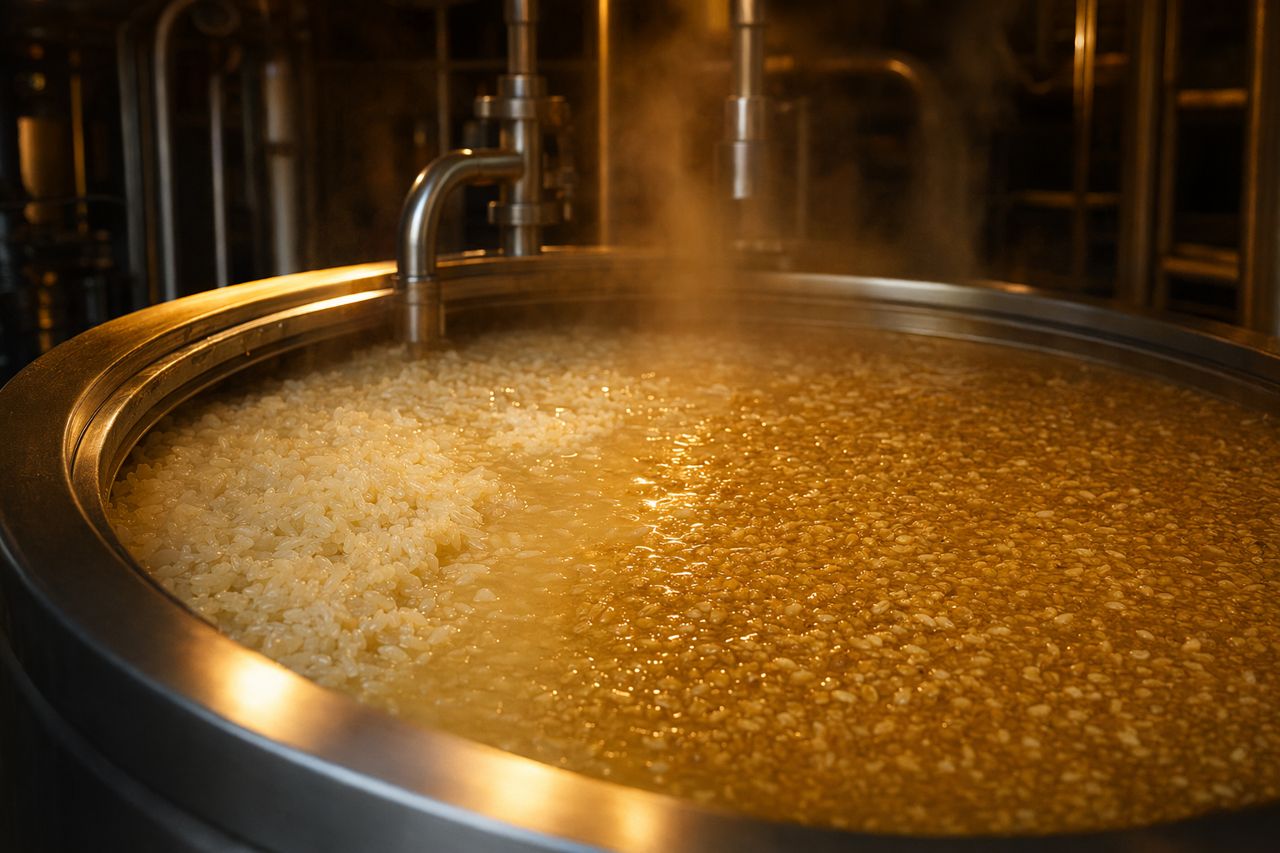
For rice wine, sake-style processes, and cereal-based alcoholic beverages, the enzyme is used where cooked grain starch needs to become yeast-accessible sugar. It can support traditional-style fermentations, industrial cereal mashes, adjunct-heavy recipes, and hybrid processes that combine grain cooking, enzymatic saccharification, and fermentation in one coordinated production flow.
What glucoamylase does in the mash
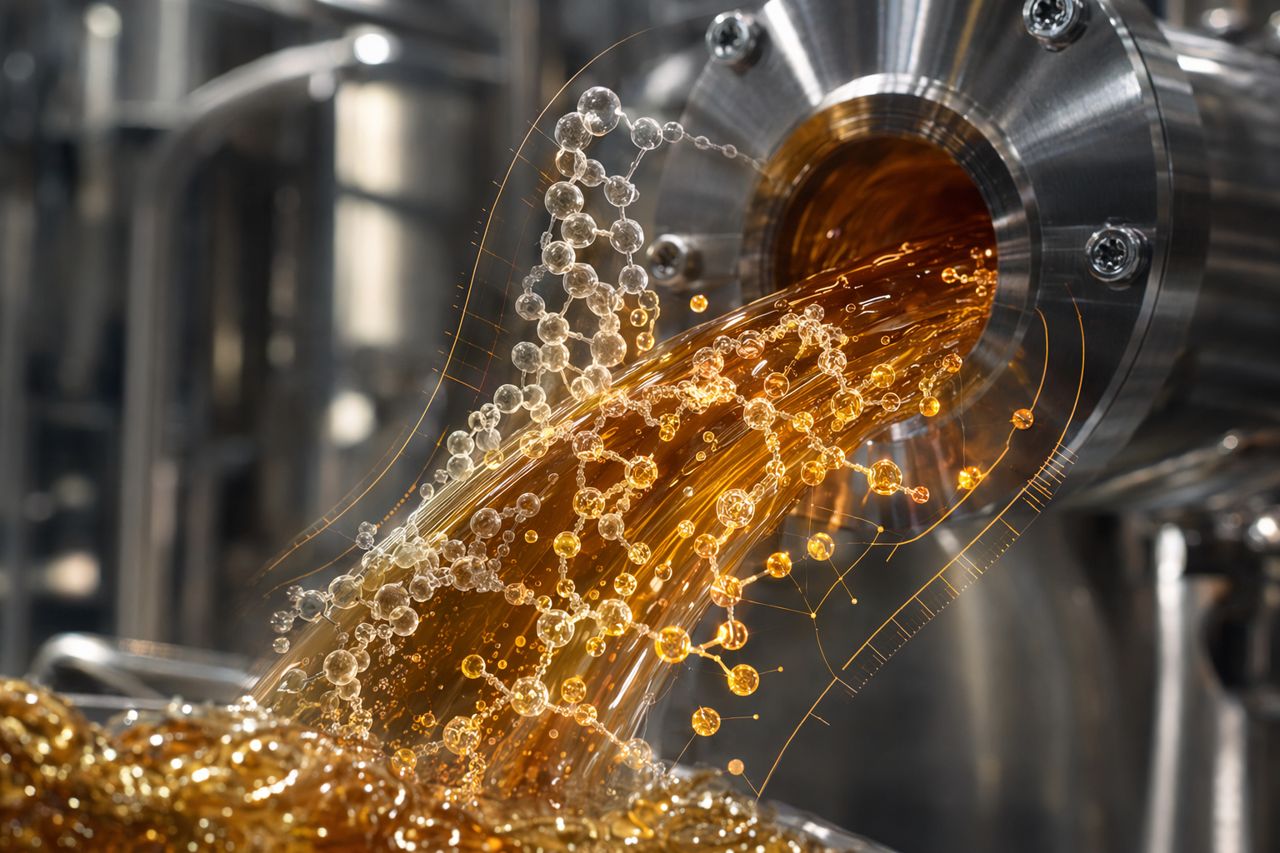
Glucoamylase, also known as amyloglucosidase or glucan 1,4-alpha-glucosidase, works from the non-reducing ends of starch-derived chains, releasing glucose from liquefied starch and dextrins. In practical production terms, that means more fermentable sugar is available to yeast, while long-chain carbohydrates are reduced.
For beverage plants, the commercial value is not theoretical enzyme activity. It is process output: better extract utilization, more complete fermentation, smoother transfer behavior, and fewer surprises when grain quality changes.
Where it fits in rice and cereal beverage production
Glucoamylase is suitable for use after rice or cereal starch has been cooked, gelatinized, and made accessible for enzymatic conversion. In many process designs, it follows or works alongside liquefaction steps that reduce mash thickness before deeper saccharification.
Common application points include:
- Rice wine fermentations using cooked rice or rice-derived mash
- Sake-style beverage processes requiring controlled glucose release
- Cereal wine and grain-based alcoholic beverage production
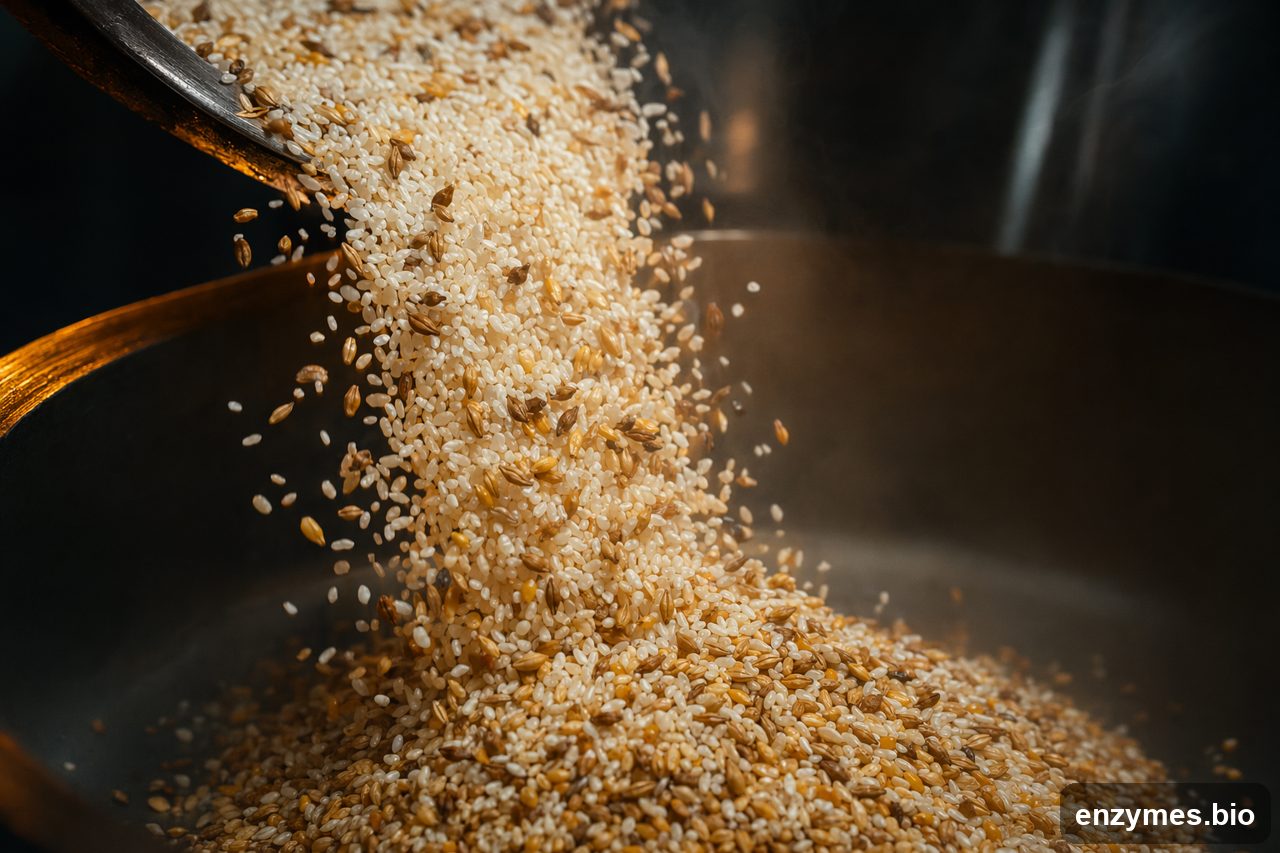
- Adjunct conversion for rice, corn, sorghum, wheat, barley, or mixed cereal bases
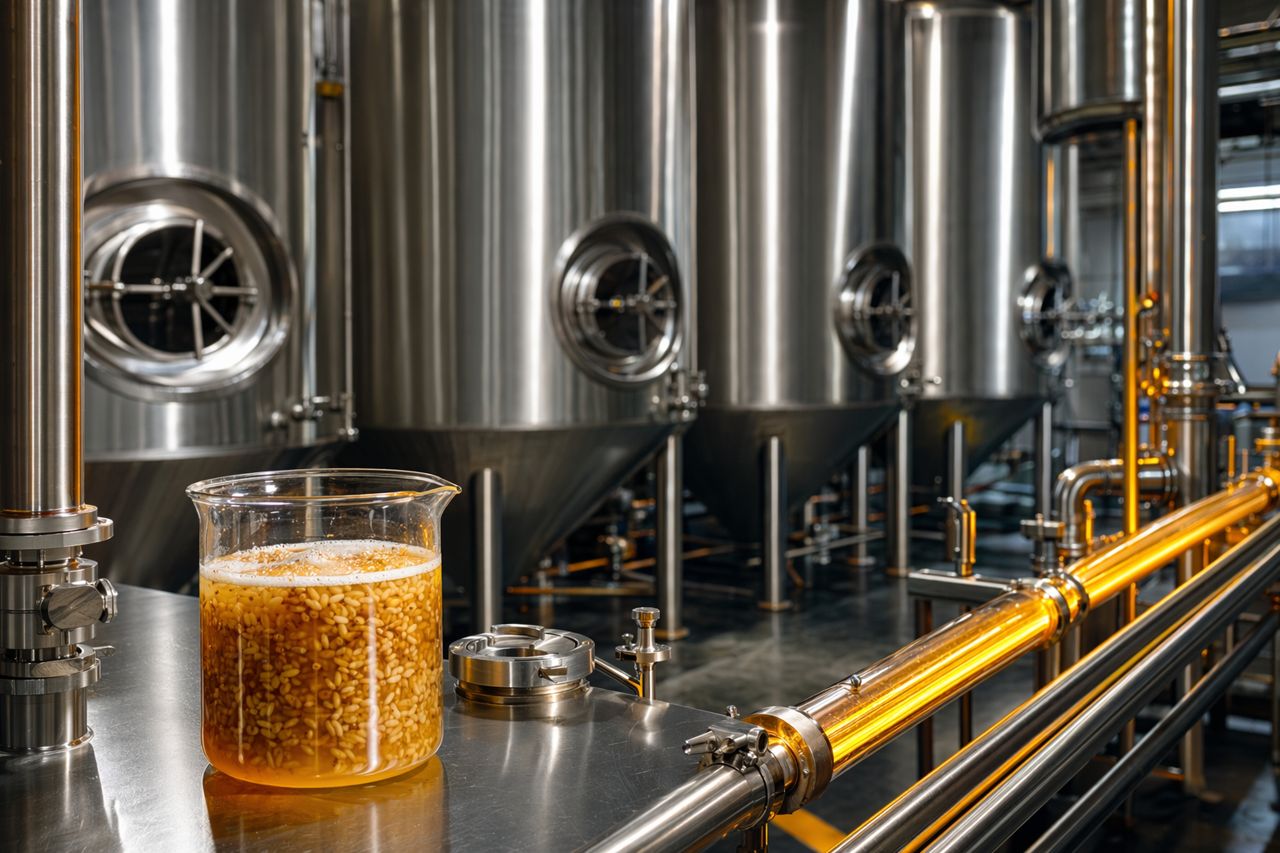
- Simultaneous saccharification and fermentation workflows
- Pre-fermentation saccharification where a defined sugar profile is needed before yeast addition
Commercial benefits for production teams
Higher fermentable sugar release
By converting dextrins into glucose, glucoamylase helps unlock fermentable extract from rice and cereal substrates. This can support improved alcohol yield, more complete attenuation, and better use of raw material inputs.

Lower residual dextrin load
Incomplete starch conversion can leave body, haze risk, sweetness, or variability that does not match the target beverage profile. Glucoamylase supports a cleaner fermentable sugar stream and helps reduce non-fermentable carbohydrate carryover.
Improved mash handling
As starch-derived chains are reduced, mash viscosity can become easier to manage. That can improve pumping, mixing, heat transfer, transfer efficiency, and downstream separation behavior.
More consistent fermentation kinetics
Yeast performance is strongly influenced by sugar availability. A controlled glucoamylase program can help stabilize glucose release, reduce stalled or sluggish fermentation risk, and improve predictability between batches.
Better tolerance of raw material variation
Rice and cereal lots vary in starch structure, moisture, milling quality, and cooking response. Enzymatic saccharification gives producers another control lever when raw material behavior shifts.
Process considerations
Glucoamylase performance depends on substrate accessibility, mash preparation, contact time, temperature profile, pH window, solids loading, and whether saccharification is separated from or integrated with fermentation. Glucoamylase Enzyme Solutions can help align enzyme selection and use strategy with your actual process design rather than forcing a generic recommendation.

Key evaluation points include:
- Grain type and gelatinization method
- Liquefaction strategy and mash viscosity target
- Desired sugar profile before yeast addition
- Fermentation temperature and timing
- Required final attenuation or residual sweetness
- Filtration, clarification, or centrifugation requirements
- Liquid versus dry enzyme handling preference
- Food-grade documentation and plant approval requirements
For rice wine and sake-style processes
In rice-based beverage production, starch availability is shaped by polishing level, cooking method, hydration, and mash structure. Glucoamylase can be used to support glucose release from cooked rice solids or liquefied rice mash, helping production teams tune fermentability while maintaining the intended beverage profile.
For sake-style processes, Glucoamylase Enzyme Solutions supports producers looking for controlled saccharification performance in modern production settings. The goal is not to replace process identity; it is to provide a reliable enzymatic tool for sugar release, consistency, and scale.
For mixed cereal fermentations
Cereal fermentations often involve multiple starch sources with different gelatinization behavior and conversion rates. Rice, corn, sorghum, wheat, barley, and other grains can contribute useful extract, but they also introduce process variability. Glucoamylase helps convert liquefied cereal dextrins into fermentable glucose, supporting efficient fermentation across diverse raw material programs.
Product format and supply discussion
Glucoamylase Enzyme Solutions can support industrial buyers evaluating glucoamylase for beverage fermentation with appropriate product format, documentation, and supply parameters for their plant. Selection depends on processing conditions, substrate, target profile, and operational preferences.
Available discussion points include:
- Liquid or powder format suitability
- Food and beverage processing documentation
- Lot consistency and quality expectations
- Packaging size and storage requirements
- Trial planning and scale-up support
- Commercial supply scheduling
Request pricing for glucoamylase
If you are developing or optimizing a rice wine, sake-style, or cereal fermentation process, send your substrate, process stage, target output, and preferred format. Glucoamylase Enzyme Solutions will respond with practical product guidance and commercial pricing through this site.
Technical note
Glucoamylase is most effective when starch has been properly cooked and made accessible. For high-solids cereal systems, process sequencing matters. Share your current mash preparation and fermentation setup, and Glucoamylase Enzyme Solutions can help identify the most practical evaluation path.