Glucoamylase Enzyme for Starch-to-Glucose Conversion
Sacchera supplies industrial glucoamylase for processors that need dependable conversion of liquefied starch and dextrins into glucose-rich streams. The enzyme is specified for commercial saccharification duties where yield, viscosity control, fermentable sugar release, and batch-to-batch consistency matter.
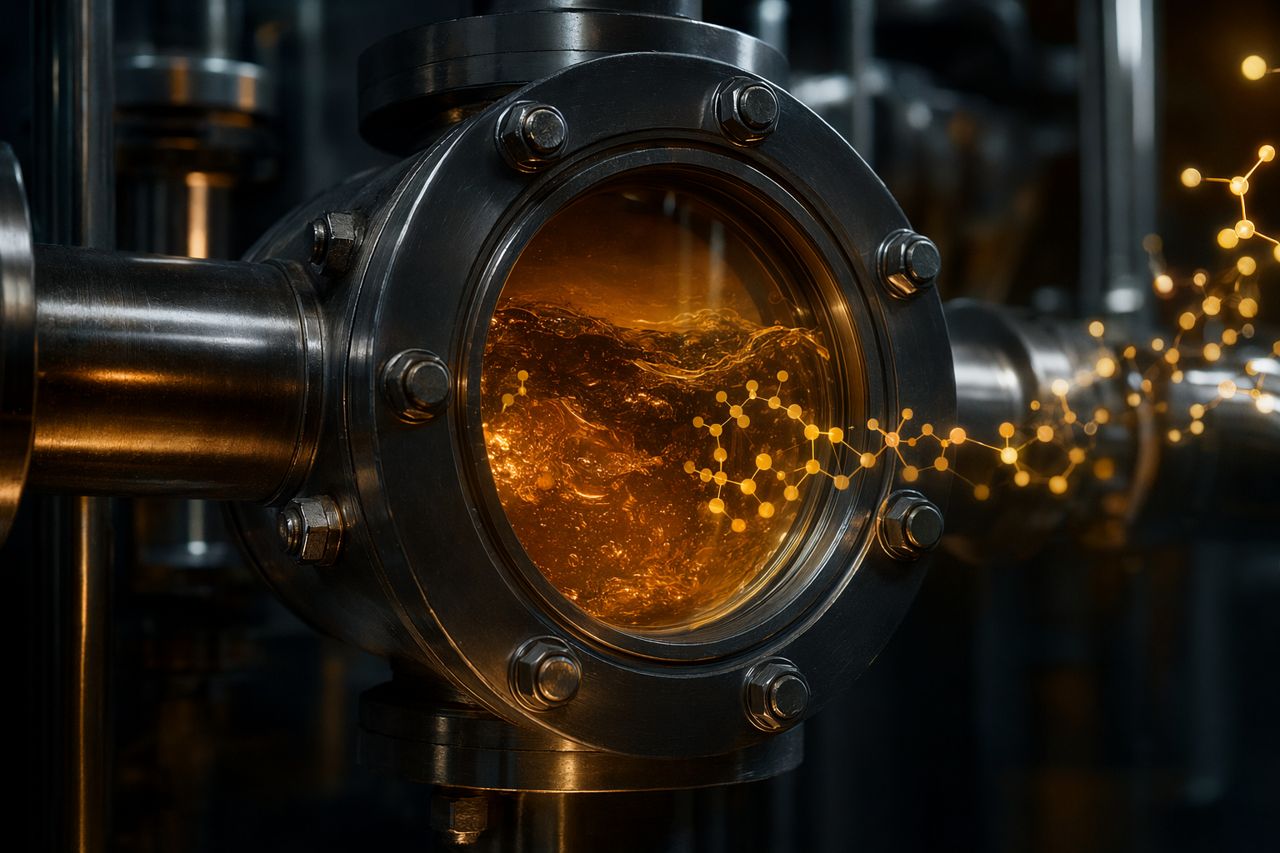
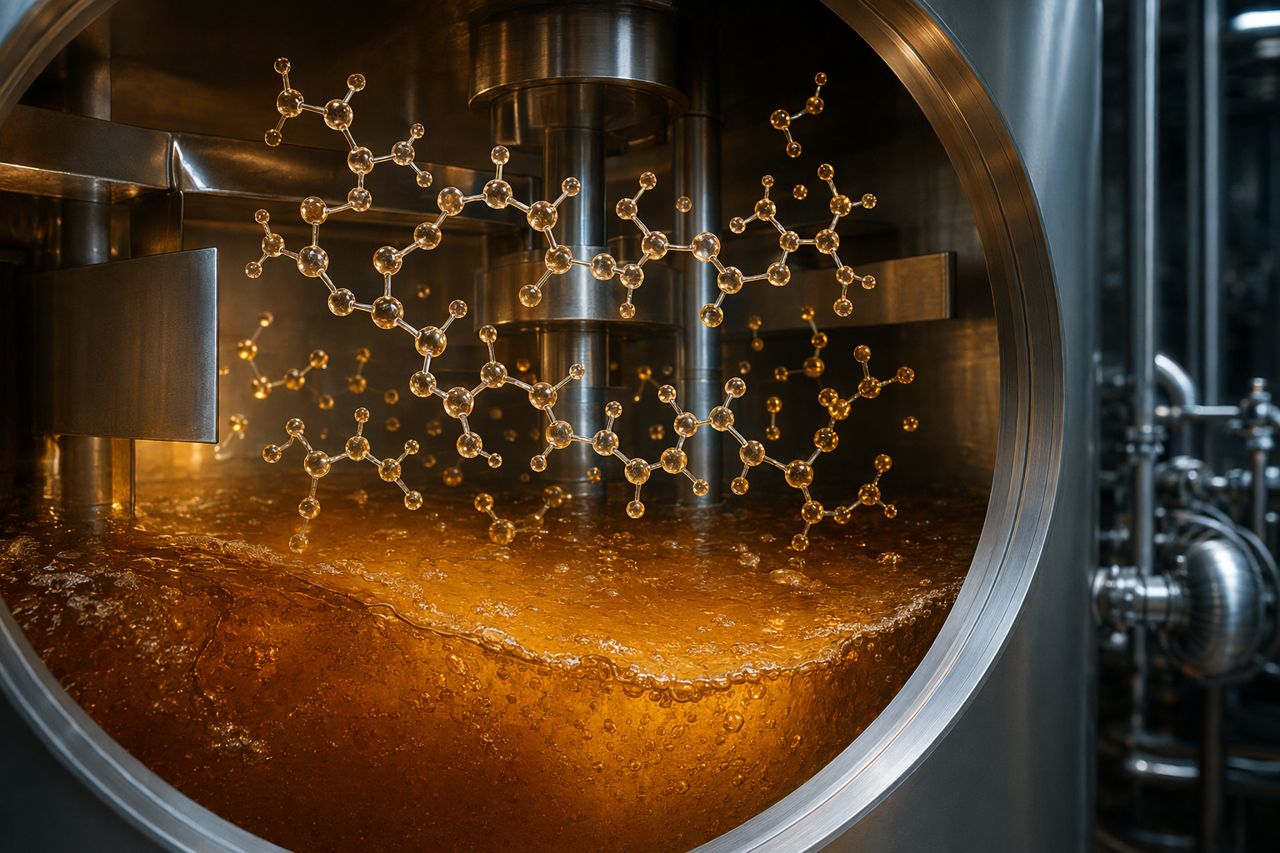
Glucoamylase, also known as amyloglucosidase or glucan 1,4-alpha-glucosidase, works from the non-reducing ends of starch-derived chains to release glucose. In practice, that means cleaner conversion after liquefaction, reduced residual dextrin, and a more manageable syrup or mash for downstream processing.
Built for industrial saccharification
Sacchera is designed for B2B production environments where enzyme selection must fit the actual line: feedstock variability, dry solids, pH profile, temperature exposure, residence time, tank scheduling, and target sugar profile.
Typical use cases include:
- Glucose syrup and dextrose production
- Ethanol and industrial fermentation feedstock preparation
- Brewing and distilling mashes requiring fermentable sugar release
- Starch sweetener processes after alpha-amylase liquefaction
- Food ingredient and formulation streams requiring lower dextrin load
- Process trials for yield improvement, viscosity reduction, and consistency control
What glucoamylase improves in the process
Higher glucose release from liquefied starch
After liquefaction, Sacchera helps convert soluble dextrins into glucose. This supports higher dextrose output and a more predictable carbohydrate profile for fermentation, syrup refining, crystallization, or blending.
Lower viscosity and easier handling
As long-chain and branched dextrins are reduced, the process stream becomes easier to pump, mix, filter, and hold. Lower viscosity can support cleaner tank turnover and more stable downstream unit operations.
More consistent fermentation performance
For ethanol, brewing, distilling, and other fermentation-led processes, glucoamylase helps maintain fermentable sugar availability. This is especially useful when raw material quality, liquefaction performance, or mash composition shifts between lots.
Better process economics from the same starch base
The commercial target is not simply enzyme addition. It is more useful conversion from the available substrate, less residual carbohydrate left behind, and fewer surprises in downstream operations.
Where Sacchera fits in a starch conversion line
A typical starch-to-glucose process uses liquefaction first, then saccharification. Sacchera is applied during the saccharification stage after starch has been gelatinized and broken down into shorter dextrins.
Process teams usually evaluate:
- Starch source, including corn, wheat, cassava, potato, or mixed substrates
- Liquefaction quality and dextrin distribution
- Dry solids level and mixing performance
- Saccharification pH and temperature window
- Holding time and tank availability
- Target glucose profile or fermentability
- Compatibility with other enzymes, nutrients, preservatives, or processing aids
- Downstream needs such as filtration, evaporation, fermentation, or crystallization
Sacchera recommendations are built around these operating factors rather than a generic one-line dosage claim.
Product formats and supply planning
Sacchera can support liquid or dry-format requirements depending on the application, packaging preference, handling system, and storage profile. For procurement teams, we can align on specification documents, lot consistency expectations, lead times, packaging configuration, and recurring supply cadence.
For technical teams, we support lab screening, pilot confirmation, and production-scale introduction with clear trial objectives: conversion profile, residual dextrin reduction, viscosity behavior, fermentation response, or downstream handling improvement.
Buyer checklist before requesting pricing
To quote accurately and recommend the right starting point, share as much of the following as possible:
- Application: syrup, ethanol, brewing, distilling, food ingredient, or other use
- Feedstock and starch source
- Liquefaction enzyme already in use, if applicable
- Solids level and expected batch or continuous throughput
- Saccharification pH and temperature profile
- Current holding time or desired cycle time
- Target glucose, dextrose equivalent, or fermentation objective
- Current pain point: low yield, high viscosity, residual dextrin, inconsistent fermentation, filtration load, or cost pressure
- Preferred format, packaging size, and delivery region
Technical position
Sacchera is for industrial buyers who need controlled starch conversion, not a vague enzyme label. The value is in matching glucoamylase behavior to the process window, then confirming performance through practical trials and supply discipline.
Request a quote
Tell us what you are converting, the operating window, and the commercial target. We will respond with a process-led recommendation and pricing path.
Frequently asked questions
Is Sacchera used before or after liquefaction?
Sacchera is typically used after liquefaction, when starch has already been reduced into soluble dextrins. It completes saccharification by releasing glucose from those chains.
Can it be used for fermentation feed preparation?
Yes. Glucoamylase is commonly used to increase fermentable sugar availability for ethanol, brewing, distilling, and other fermentation systems using starch-based substrates.
Can Sacchera help with viscosity?
In many starch-derived streams, continued dextrin breakdown reduces viscosity and improves pumping, mixing, and filtration behavior. The degree of improvement depends on the substrate, liquefaction quality, solids level, and residence time.
Do you provide trial support?
Yes. Sacchera can support lab and pilot trials with practical evaluation criteria so engineering, fermentation, and procurement teams can make a grounded purchasing decision.